From Forums to Social Networks: The Rise, Fall, and Future of Woodworking Communities
For many of us, forums used to be the beating heart of the internet. Every niche had a place to gather, debate, and share knowledge. Threads, post counts, and signatures gave structure and personality to communities. But over the past decade, forums have largely been replaced by social networks—and woodworking forums are no exception.
Why forums declined:
Convenience: One account gives access to multiple communities. No need to learn new software or manage separate logins.
Real-time interaction: Social networks provide instant notifications and live feeds, while forums remain asynchronous.
Mobile-first design: Social networks work seamlessly on smartphones; many forums do not.
Social validation: Likes, reactions, and shares give immediate feedback, which forums cannot match.
Network effects: Everyone is already on Facebook, Reddit, or Discord, making it easier for new users to migrate there.
WoodCentral.com: From Forum Pioneer to Quiet Corner
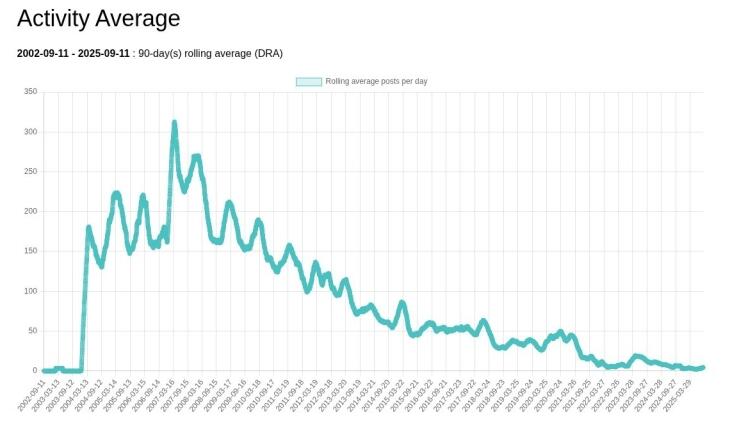
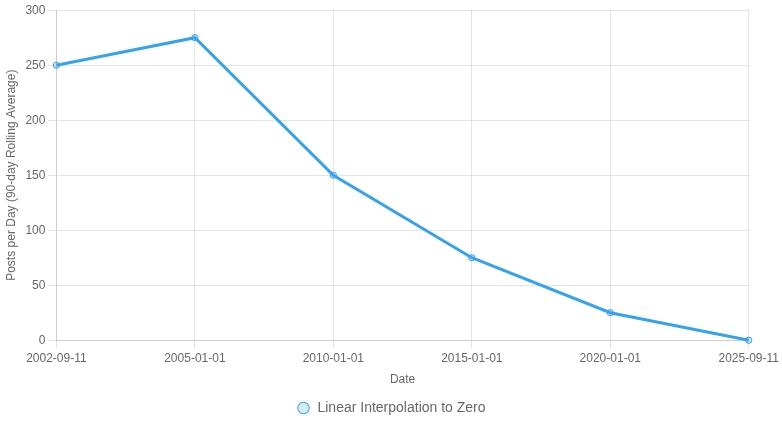
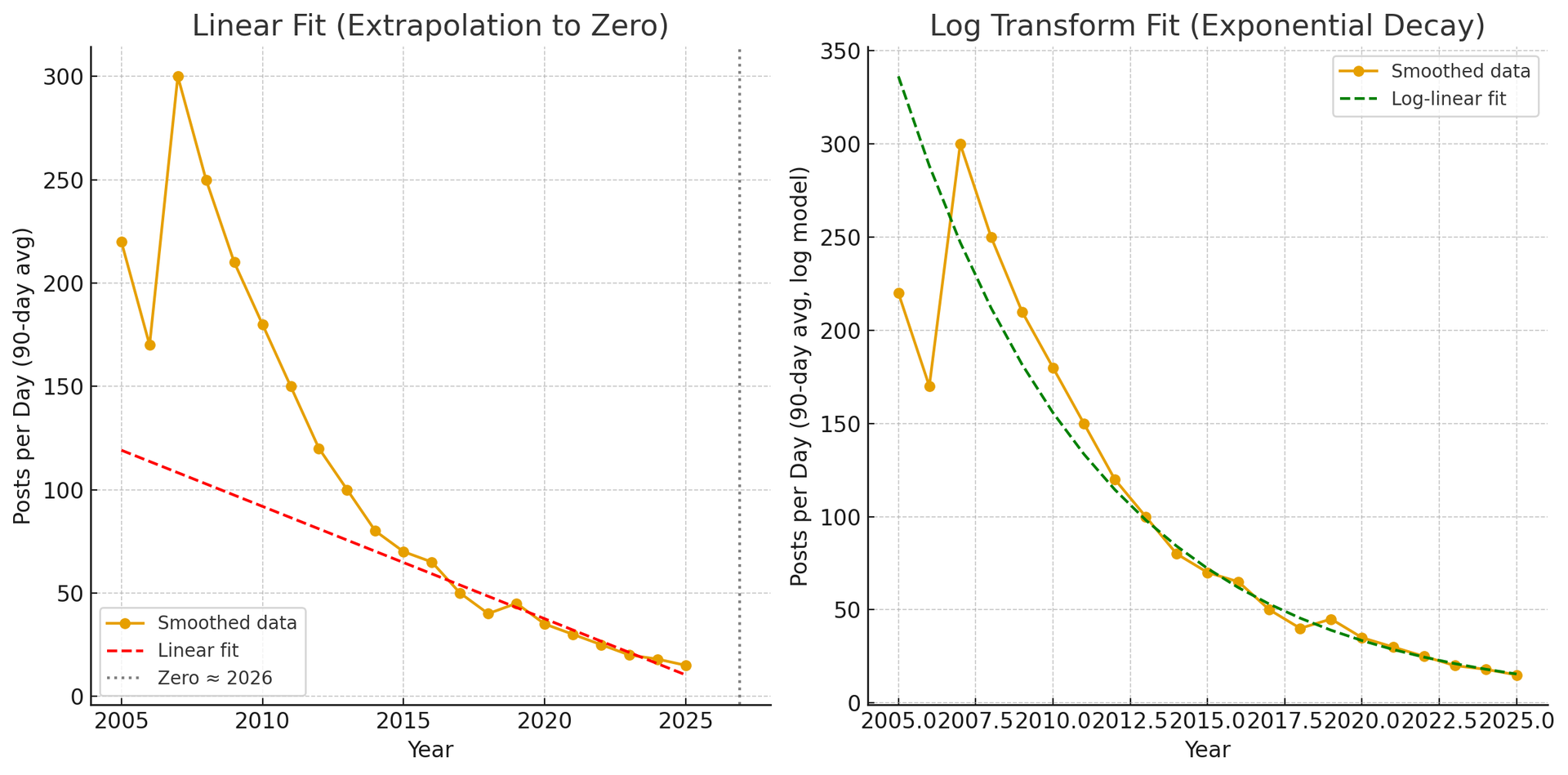
WoodCentral once stood as the premier destination for woodworking enthusiasts. Its forums were bustling hubs for advice, discussion, and camaraderie. Today, forum activity is a shadow of its former self, with far fewer new posts and much lower engagement.
Fragmentation of the Woodworking Community
Another factor is fragmentation. Unlike a decade ago, there is no single “go-to” woodworking forum anymore. Enthusiasts now scatter across:
Niche sites for specific tools, styles, or techniques.
Social media groups and subreddits.
YouTube comment sections and Discord servers.
This division dilutes participation on any one platform. WoodCentral competes not just with other forums but with platforms offering speed, multimedia, and instant engagement. Threads that once generated dozens of replies may now get only a handful—or none.
Options for the Future: Revival, Archive, or Hybrid
WoodCentral now faces a critical choice:
1. Attempt a Revival
Update mobile design and site speed.
Add engagement features like notifications, likes, or multimedia integration.
Promote the community to new users through social media or partnerships.
2. Archive Mode
Preserve existing threads as a searchable resource.
Prevent new posts, reducing moderation and maintenance.
Maintain the forum’s legacy as a knowledge base for future woodworking enthusiasts.
3. Hybrid Approach: Both Archive and Active Forum
Existing content remains searchable and preserved.
Dedicated members can still post, keeping a small, active community alive.
Sections could gradually move to archive mode while others remain open for discussion.
Expectations are clear: growth is not the goal, but engagement and preservation coexist.
Sustainability and Income
Whatever approach is chosen, WoodCentral also needs to consider sustainability. The site should ideally generate enough income to cover at least domain registration and hosting costs. Options could include modest membership fees, advertising, affiliate links, or sponsorships targeted at woodworking enthusiasts. Without covering basic costs, even an archival or hybrid site risks becoming a financial burden for the owner.
Conclusion
Forums didn’t disappear because they were bad—they simply couldn’t compete with the speed, convenience, and scale of social networks. For WoodCentral, the challenge now is deciding whether to revive activity, preserve the archive, or adopt a hybrid model—while also ensuring the site can sustain itself financially. Either way, the goal remains the same: preserving and sharing decades of woodworking knowledge with the community.
Yes, this was generated with the help of AI, based on my ongoing discussions about independent websites versus social networks. I asked it to create a categorized summary in my “serious” writing style, which it handles very well. Organization is something I often struggle with—I tend to overthink and second-guess how to structure my thoughts. AI excels at this, making it a huge time-saver for me.