The classic "it's crap/it's great" product are tap and die sets. The taps and dies in the cheap units from Asia are often serviceable, the handles never are, and sometimes the die holders will actually hurt you if they snap.
Saw stop is a joke product that seems to be gaining a lot of deserved market share, and apparently the patent protection actually is running out in '26. It is still possible to just learn how to use a table saw; the actual saws they make preserve a lot of the worst features of the Unisaw; Just pretends the Europeans didn't revolutionize stationary power tools in the 80 (?); preserves the idea that you need way more power in a home of precision saw, than one actually does; Data not clear on whether a lot of stupid people would not be equally safe if you just forced them to pay an additional 4000 dollars for their saw in the first place. ON THE OTHER HAND, seems to actually save a lot of hot dogs from having table saw accidents, and of course people also. You really can't ague with that.
I love framing hammers. Biggest joke was the idea that a 14 ounce hammer hits as hard as a 21 ounce hammer. And people don't seem to have got the memo even after an originator of the Ti tool switched to steel due to a non-compete. Is a 14 ounce hammer better than a 21 ounce hammer when you actually drive 99% of your nails with a nail gun: Highly plausible. And the status symbol aspect is also useful. I still prefer wooden handles for driving nails, the other stuff is largely for non nailing uses, which now dominate. A lot of this stuff was predictable if you were into ice climbing where 300 dollar hammers, and technology made an early appearance. Fancy stuff like aluminum tubes wrapped in carbon, wrapped in glass have been around since, maybe the 80s. And you could see well into the future of tools, and even the future of gun barrels.
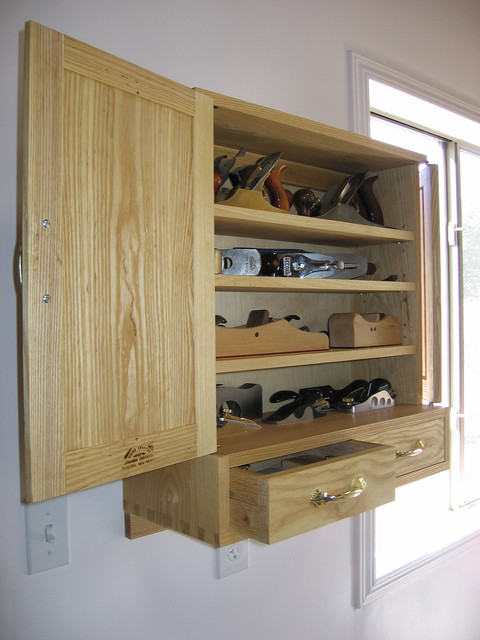
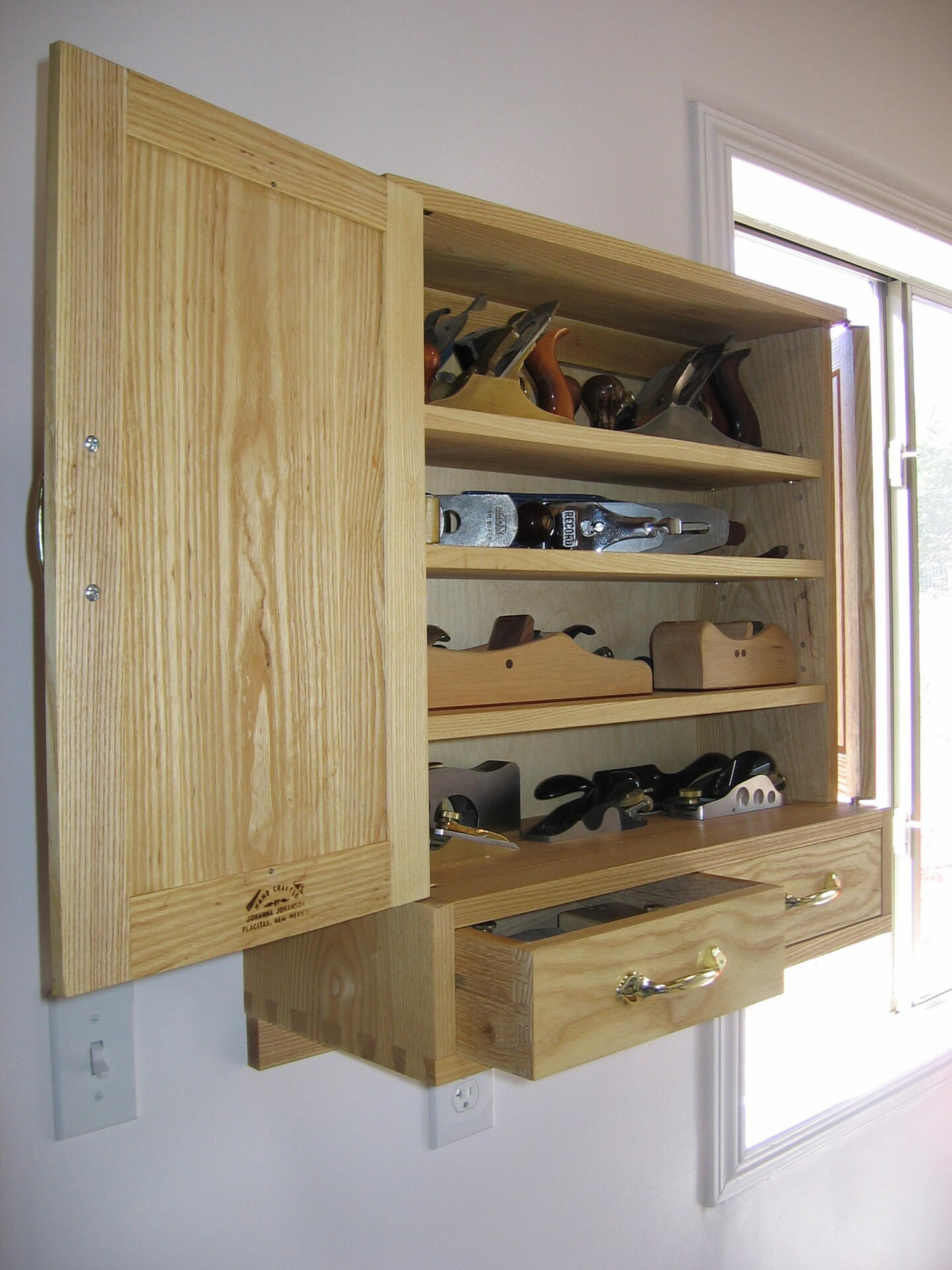
In the 80s, like a lot of early adopters, I fritzed around with planes that took a .0004" shaving, even as people said it was a lie. But the plane that gets constant use, almost no matter what the project is, is the one that takes a .06" shaving, Usually less, but cutitng like and axe is more generally useful. The one I use, and as an amateur, probably my only plane that is mostly hand sharpened, and actually getting short in the blade, is a Japanese plane I made with a 10 dollar blade. I was probably trying to make a finishing plane, and it will finish to an extent. But what it really does well, is knock wood into shape, when I need to do that by hand. I also have western planes that do that. But none gets used as much as the one I made 40 years ago.
I also really like a standard Japanese marking gauge with a knife cutter.
I can't really say I like rubber carving mallets, but I use them pretty exclusively for all my heavy chisel work because they are so quiet. Some tools just get more use over time, and displace other tools. Pretty much the dominant chisel wacker since the mid 90s.