WoodCentral Forums

Est. 1998 — 27 years of woodworking knowledge

What I Did Dept.

Posts

What I Did Dept.

#1

What I Did Dept.

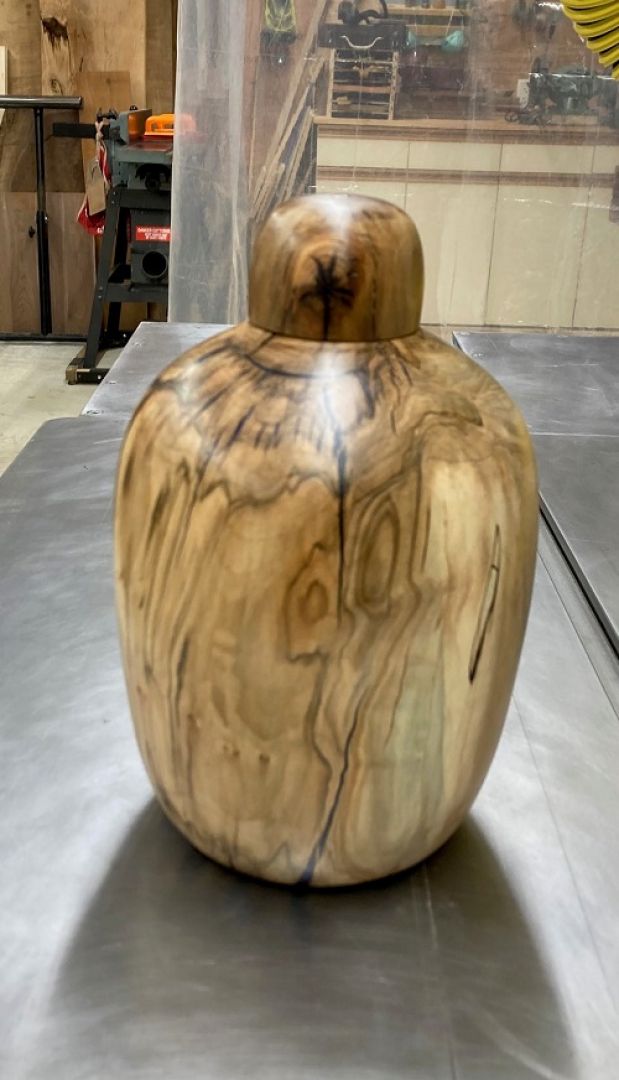
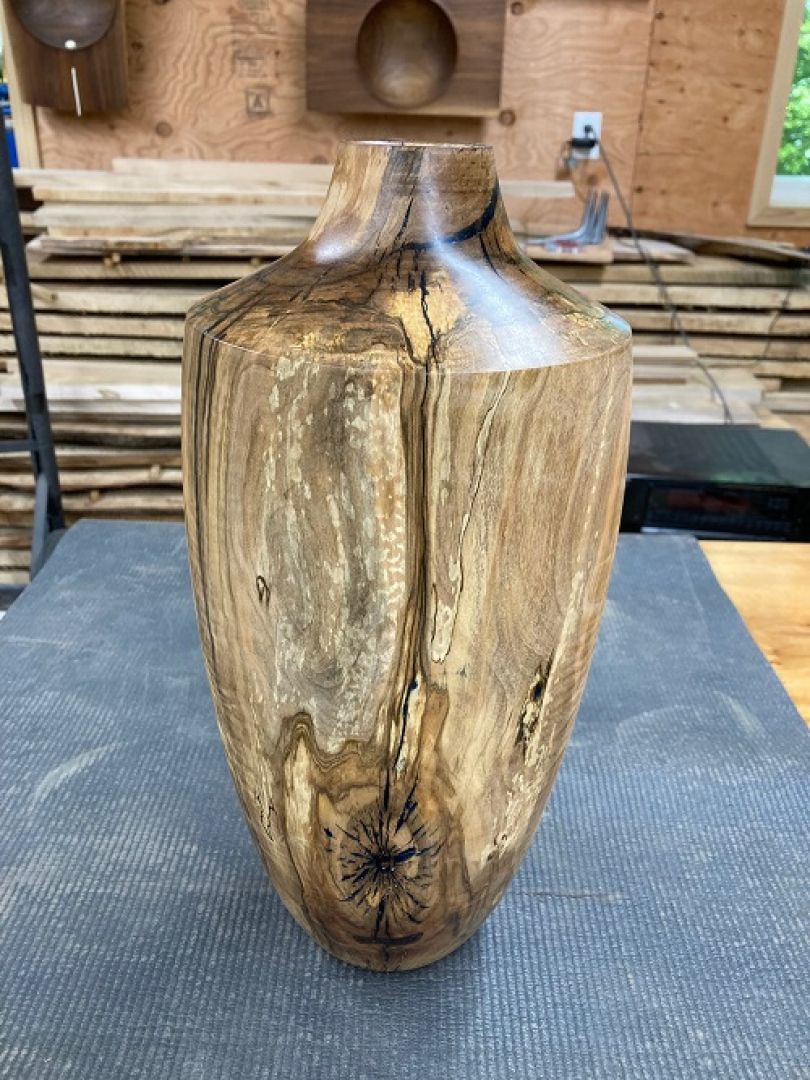
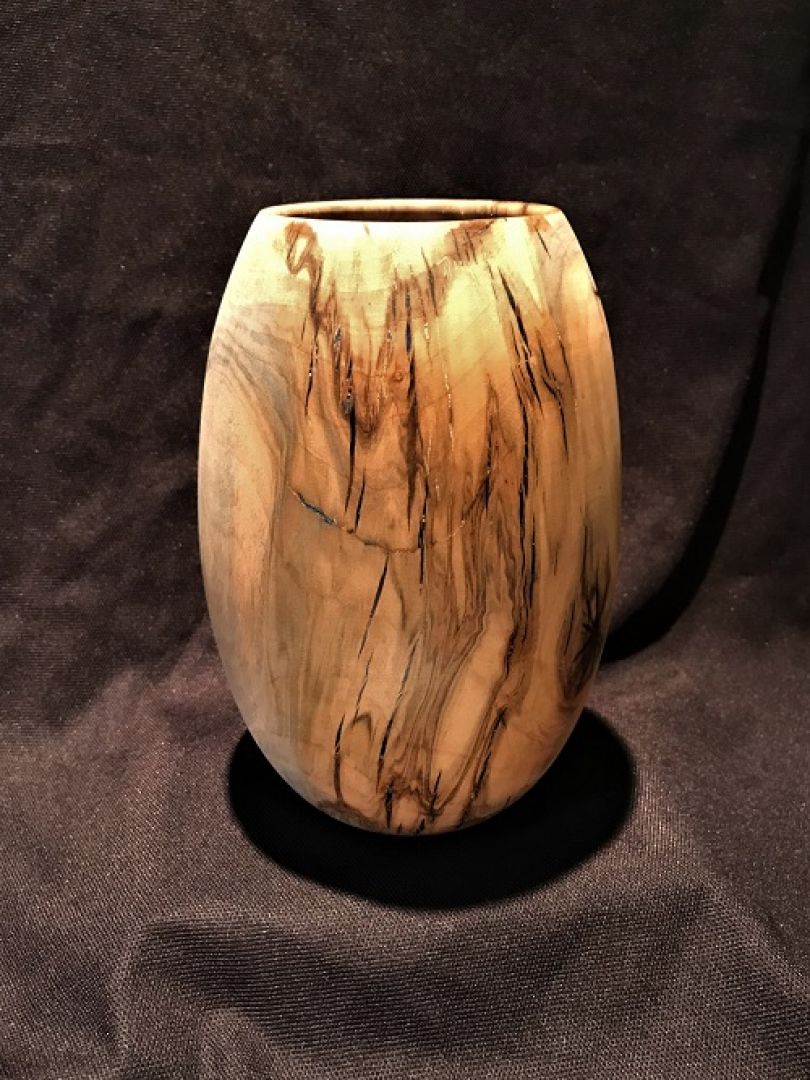
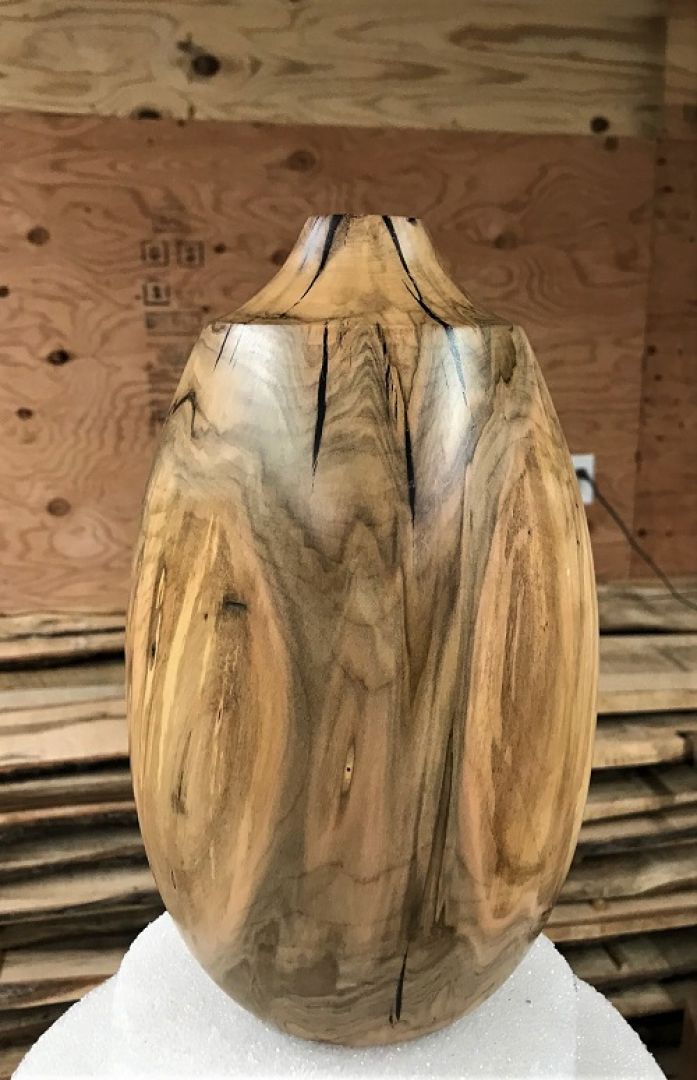
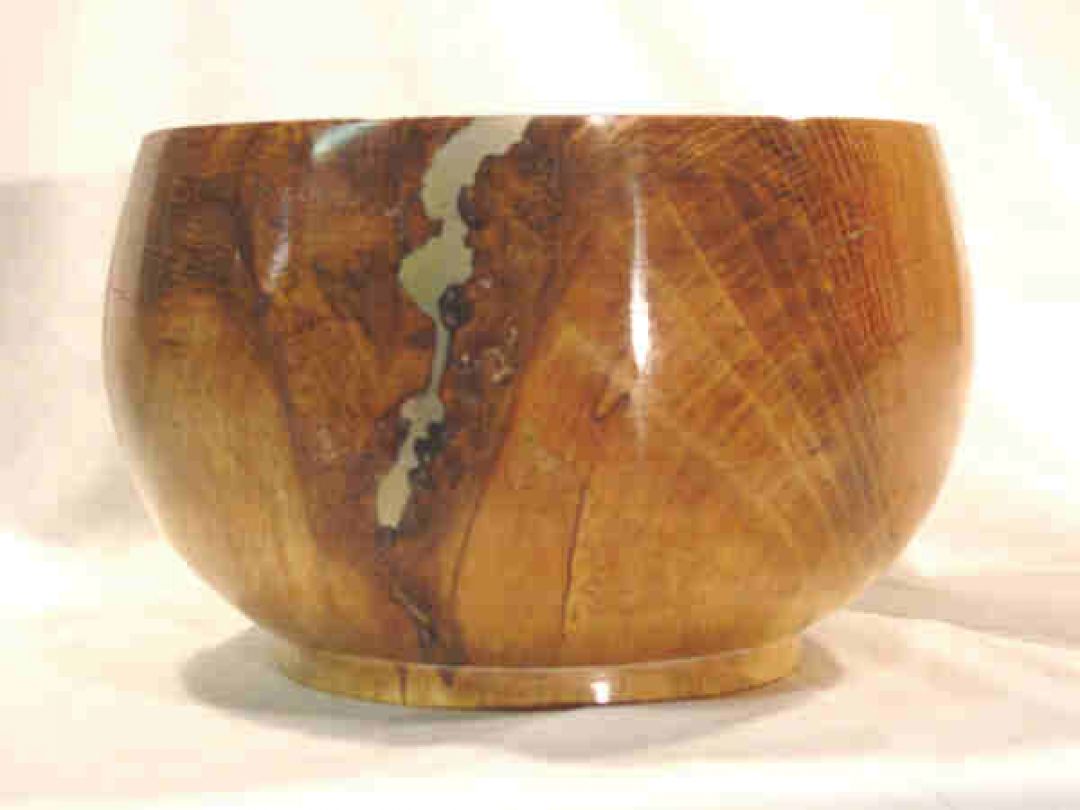
Other one went to the fireplace, but the next section of the tree . . .

Red Maple (again), finished with Krylon Matt then a wax/wool rub.

Homage to JJ: Total turning time: 4 hours

But . . .Total finishing time (sanding, epoxy fill, etc.): 4 days

:D

� � � � � � �


Re: What I Did Dept.

#2

Re: What I Did Dept.

Very well done. Mark, you're a master of this form.


Re: What I Did Dept.

#3

Re: What I Did Dept.

great save.


Re: What I Did Dept.

#4

Re: What I Did Dept.

Just my opinion, but I'm just not a resin filled crack kind of guy. It's so easy to find wood without cracks, I just don't get it. My glass artist friends don't sell cracked glass, and neither do my ceramic artist friends. I know I am in the minority during this current trend of adding resin to every piece of wood sold.


Re: What I Did Dept.

#5

Re: What I Did Dept.

I tend to agree with you but IMO this piece doesn't suffer from the crack filling and it all goes together nicely.

What really bugs me are the fills made of a very bright contrasting color which shouts "Look at me" rather than appreciating the total piece. I think this one lets you see the totality without distraction.

Bill


Re: What I Did Dept.

#6

agreed


Re: What I Did Dept.

#7

Let's Not Forget

work such as Steve Sinner's beautiful mineral in-lay work which are purposed rather than "repairs." 

I do a fair amount of epoxy but you'll never find any of the perlesent river table crap in my house (or my shop).


Re: What I Did Dept.

#8

Agreed But

I'm currently working through my stash from a Red Maple tree I harvested.  Tree had great color and grain but also disease and ring shake.  My view is to preserve the beauty that Mother created rather than reducing it to ash.

I therefore have to take it as it comes, and meet the challenges of working with "crappy" wood :D

I try not to forget that the material I work with is wood.  I taught ceramics for years; clay + glaze is a different world.


Re: What I Did Dept.

#9

Leo Cuellar

Nicely done!


Re: What I Did Dept.

#10

I believe Steve's work is a completely different subject than filled cracks.


Re: What I Did Dept.

#11

I May have him confused with another turner


Re: What I Did Dept.

#12

Re: Wrong Steve

Should have been "Hatcher" ;(


Re: What I Did Dept.

#13

Re: What I Did Dept.

Dick -- I get where you're coming from. You don't like turning wood with cracks in it. Nor do you like the look of a turned item that uses resin to fill cracks in the wood. But, forgive me, isn't that a little like someone saying they don't like a particular poem because they're just not into sonnets? To such a critic, it doesn't matter whether it is a good or bad sonnet. The fact it is a sonnet means, in the eyes of this particular critic, it's a bad poem. It might be one of Shakespeare's finest sonnets, but it's still a bad poem.

Here, Mark produced what I consider to be a fine example of what I call the 'reclaimed wood' genre of turning. It has a classic ginger-jar form. The color and grain are both interesting and spectacular. The filled cracks provide contrast and make the piece look like it came from the ruins of some ancient civilization. This is a very well-done turning, even if it isn't for everyone.

So, I get where you're coming from. This isn't your cup of tea. What I don't get is why you chose to cast stones at it. I'm not all that partial to sonnets, but I can tell the difference between a good one and a bad one. Why disparage a poem just because its a sonnet?


Re: What I Did Dept.

#14

lovely pieces, and...

Mother Nature has had her say twice before you got there.  ;-)


Re: What I Did Dept.

#15

Kintsugi

Japanese art form for "repairing" broken pottery.

Not limited to ceramics or resin.

Black oak crotch with pewter:


Re: What I Did Dept.

#16

Joe Fleming

MARK!! Pink pearl is the bomb!


Re: What I Did Dept.

#17

Joe

You've been spending too much time in bowling alleys :D


Re: What I Did Dept.

#18

I like that very much...

...it's def the kind of thing I appreciate, but I don't think it qualifies as kintsuge -- I think that is just for thin cracks, not major fills.  :-)


Re: What I Did Dept.

#19

Works on Bowls

but not fully enclosed forms.  Interior surface must be "dammed" (think plaster) and the inside surfaces of the crack/void have to be excavated with a fine burr to provide a mechanical grip for the metal.  A good pewter, like "Britannia" metal, is best, but lead-free solder can also be used.


Re: What I Did Dept.

#20

I use a very fine powder

Richard Findley does a poured pewter cabochon for his box demos.  Fun to watch, and a nice result, but a lot of work.  When he demoed for our club, I had him do the cab in imitation ivory, and that worked well in our limited time slot.  

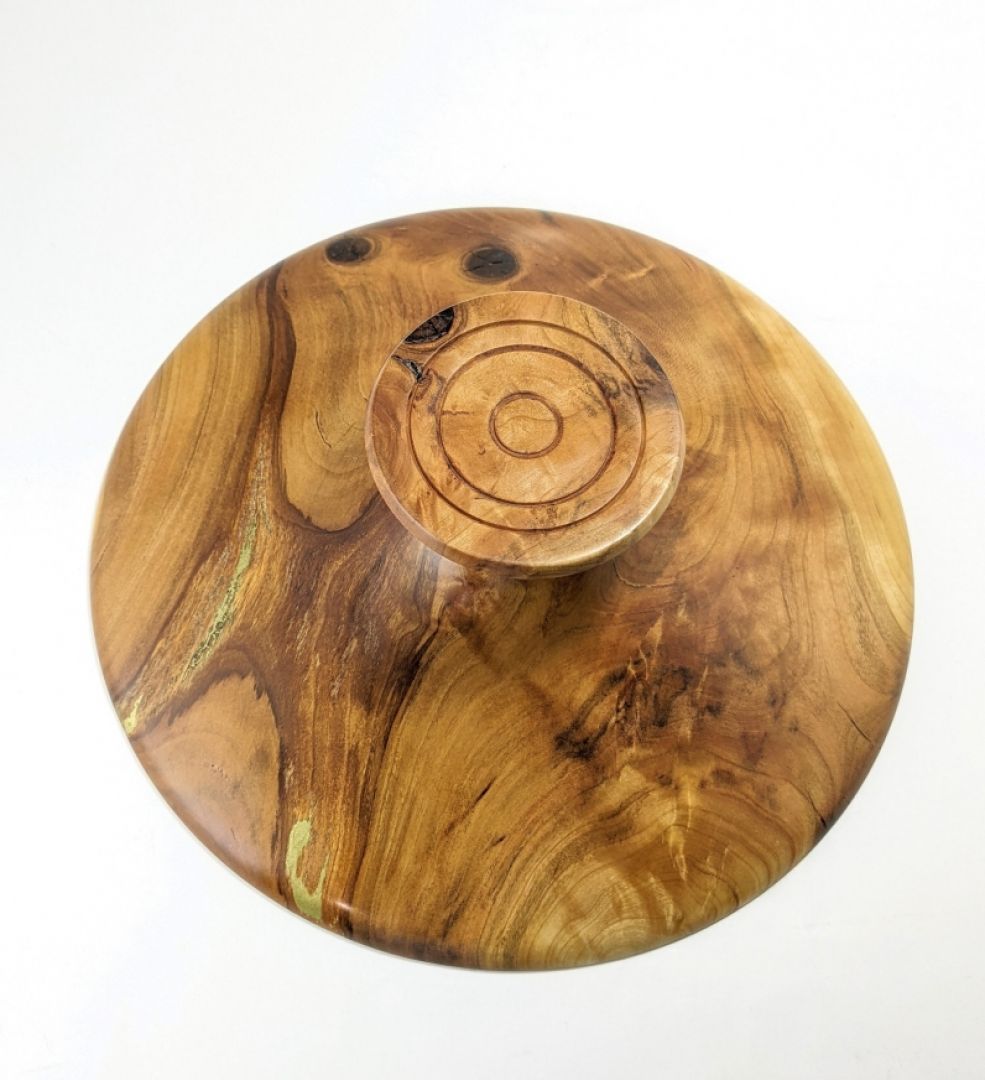
I often use key filings for "brass", because I like the texture, as well as the color, but I also have a small bag of "atomized" brass powder (probably got it on Etsy) from "NorthernWestStuff".  I prefer this to molten metal from a practical POV (!), but I have to say your pewter example is lovely.   For dispensing the brass powder, I put it into an empty, small CA bottle with the long, fine tip.  You can dump/squeeze out just a little at a time and get it exactly where you want it with no waste or contamination elsewhere.  With a little Thin CA it makes a great fill, and it sands out to look "almost" like solid metal.  If you look really closely, you can see a  slight granularity, but, from a distance, it appears solid.  I like the brass color on cherry, but f you want a "silver" color, like pewter, I'm guessing you could probably also get atomized aluminum.  Here is an example of a small brass powder fill in punky cherry.  


Re: What I Did Dept.

#21

Glue's a Good Option

as you won't need to excavate the walls of the crack to get the mechanical (keyed) grip needed to hold the cooled metal in place.


👍 This page answered my questions

Your vote helps other woodworkers quickly find the answers and techniques that actually work in the shop.