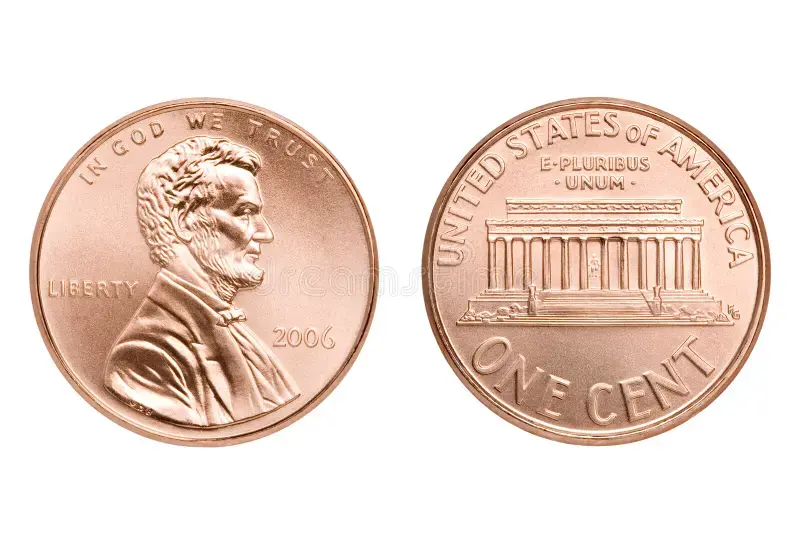
There are 100 coins on a table; 10 are facing heads up and 90 are facing tails up. You are blindfolded and wearing gloves so you cannot effectively see or feel which side the coins are facing. Divide the coins into two groups with equal numbers of coins facing heads up. The groups do not have to be the same size.
To divide the 100 coins (10 heads, 90 tails) into two groups with an equal number of heads, follow these steps:
Divide the coins into two groups of 50 coins each. This can be done arbitrarily since you cannot distinguish the coins.
Flip all the coins in one of the groups (i.e., change heads to tails and tails to heads).
Explanation: Initially, the 100 coins have 10 heads. When you split them into two groups of 50, suppose one group gets hhh heads. Then, the other group has 10−h10 - h10−h heads. Flipping all coins in the first group changes its hhh heads to hhh tails and its 50−h50 - h50−h tails to 50−h50 - h50−h heads. Now, the first group has 50−h50 - h50−h heads, and the second group still has 10−h10 - h10−h heads. Since 50−h=10−h50 - h = 10 - h50−h=10−h, both groups have 10−h10 - h10−h heads. Given there are 10 heads total, the expected number of heads in each group is 10/2=510/2 = 510/2=5, and this method guarantees that outcome regardless of how the heads are initially distributed between the groups.
This ensures both groups have exactly 5 heads each.
Create two groups, one with 10 coins, one with 90. Turn over all the coins in the group with 10 coins. This will guarantee that both groups now have an equal number of coins that are heads up.