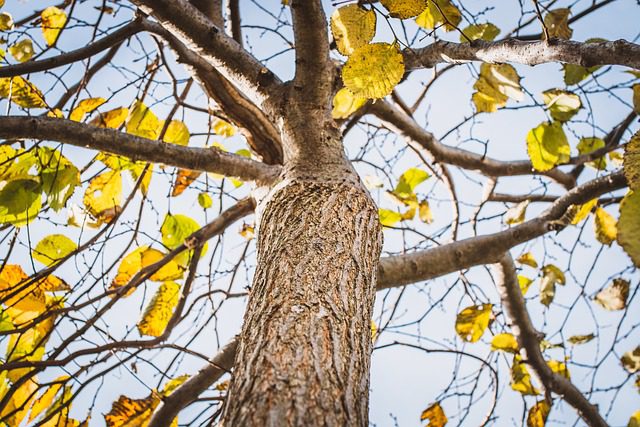
The American Elm was devastated by Dutch elm disease (DED), a fungal disease transmitted by elm bark beetles[1][2]. This disease swept across much of the eastern United States starting in the 1930s, killing millions of elms by the 1980s[1][4]. The fungus attacks the tree’s vascular system, causing leaves to wilt and turn yellow, followed by branch death and eventual tree death[2].
Impact and Extent
- An estimated 70-400 million elms have been killed by DED[2][4].
- The disease particularly affected urban areas, where elms lined streets and provided shade[1][3].
- DED also impacted floodplain forests, where elms were an anchor species[1].
Factors Contributing to Spread
- Monoculture planting in urban areas
- The ability of the disease to spread through grafted roots
- The initial ineffectiveness of control measures like tree removal and pesticide use[4]
Current Status
While large mature elms are now rare, especially in the Northeast, the species has not gone extinct[2][3]. Young trees can still reach seed-bearing age, allowing elms to persist in the wild, albeit in smaller numbers and sizes[4]. Some areas have managed to preserve their elm populations through isolation or intensive management[4].
Restoration Efforts
Researchers and organizations are working to restore the American Elm by:
- Identifying and cloning disease-resistant survivors[5]
- Developing new, resistant varieties through breeding programs[3]
- Establishing seed orchards to produce resistant trees for reforestation[5]
These efforts aim to reintroduce the American Elm to its former ecological role, particularly in floodplain forests affected by emerald ash borer[5].
Citations:
[1] https://blog.nature.org/2017/08/09/quest-restore-american-elms-nearing-finish-line/
[2] https://ufi.ca.uky.edu/treetalk/ecobot-american-elm
[3] https://www.ndsu.edu/agriculture/extension/extension-topics/gardening-and-horticulture/trees-and-shrubs/american-elm-makes-comeback
[4] https://www.youtube.com/watch?v=G5sphOng3fo
[5] https://www.fs.usda.gov/inside-fs/delivering-mission/sustain/forest-service-partners-work-restore-american-elm


