Woodworking has long been regarded as a craft that transforms raw timber into objects of both aesthetic appeal and practical utility. However, as of 2025, this discipline is increasingly aligning itself with broader aspirations of fostering a sustainable future. Sustainability has transcended its status as a mere catchphrase, emerging instead as a transformative ethos that influences the procurement, fabrication, and conceptualization of wood-based products. Amid growing environmental consciousness, woodworkers globally—and notably within scholarly and practitioner communities such as WoodCentral—are adopting ecologically responsible practices with notable zeal and innovation. This discussion examines the ascendancy of sustainable woodworking in 2025 and elucidates pathways for practitioners to engage in this trend without compromising artistic integrity or material excellence.
The Imperative of Sustainability in Contemporary Woodworking
Quantitative evidence underscores the urgency of this shift. Projections indicate that the global furniture market, which relies extensively on timber resources, will reach a valuation of $37 billion by 2030, with sustainability serving as a primary catalyst for this expansion. Consumers, particularly those of younger demographics, increasingly prioritize products congruent with their ethical principles, thereby compelling artisans and industrial producers alike to emphasize environmentally conscientious materials. For woodworkers, this necessitates a transition toward reclaimed timber, woods certified as sustainably harvested, and finishes with minimal ecological impact. Beyond the preservation of arboreal resources, this movement seeks to mitigate waste, diminish carbon emissions, and bolster ethical forestry practices.
Discourse within woodworking forums reflects this momentum, with practitioners exchanging insights on sourcing salvaged materials—such as barn wood—and deliberating the merits of natural, non-toxic finishes like plant-based oils. Such evidence suggests that sustainability is not a transient trend but a foundational pillar of contemporary woodworking.
Reclaimed Timber: Reimagining the Past
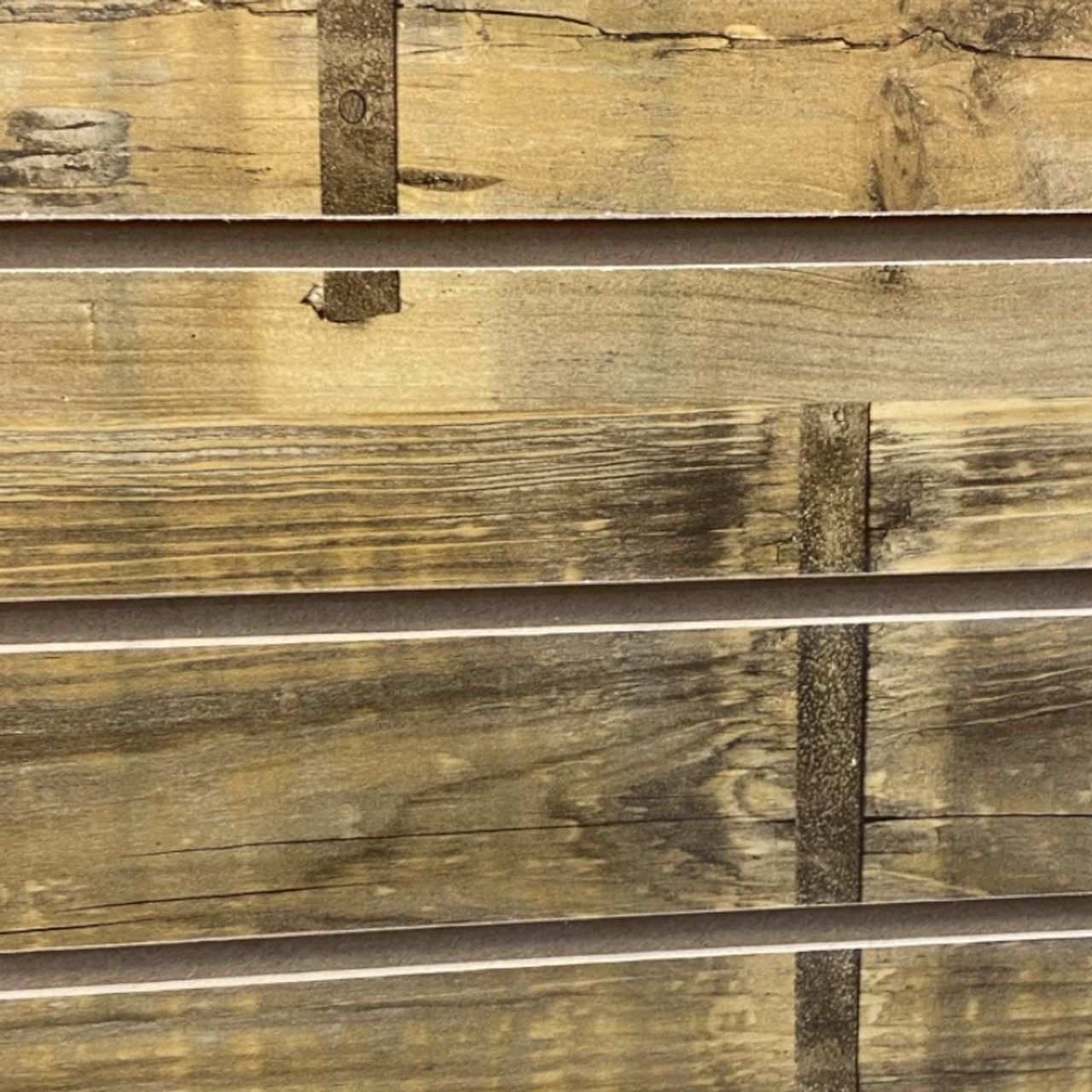
Among the most noteworthy developments in 2025 is the burgeoning prominence of reclaimed wood. Timber salvaged from decommissioned structures—whether a weathered fence plank or a beam from a demolished industrial site—offers more than mere utility; it encapsulates a narrative. The inherent imperfections of reclaimed wood, including knots, fissures, and patinas, imbue creations with a distinctive character unattainable in virgin lumber. Moreover, its use diverts viable material from waste streams, aligning with circular economy principles.
Certified Timber: A Standard of Stewardship
For practitioners favoring freshly harvested wood, lumber accredited by the Forest Stewardship Council (FSC) is gaining widespread acceptance. This certification attests that the wood originates from forests managed with a commitment to ecological integrity and economic sustainability. Though FSC-certified timber may command a premium, its superior quality and the assurance of responsible sourcing justify the investment. Species such as maple, walnut, and cherry are readily accessible in certified form, enabling the creation of enduring works that reflect both craftsmanship and environmental accountability.
A practical recommendation is to employ FSC-certified lumber in designs that accentuate its innate elegance—such as minimalist shelving or refined dining tables—allowing the wood’s grain to serve as the focal point of a piece that is both sustainable and visually arresting.
Eco-Conscious Finishes: Advancing Health and Durability
The domain of finishes represents another critical arena in the sustainability paradigm. Conventional varnishes and polyurethanes, laden with volatile organic compounds (VOCs), pose risks to both human health and environmental quality. In response, 2025 sees woodworkers increasingly adopting alternatives such as hard wax oils derived from vegetable sources or water-based sealants. These options offer rapid drying times, robust durability, and reduced atmospheric pollution, thereby enhancing the sustainability of finished works.
A Holistic Perspective
Sustainable woodworking extends beyond material choices to embody a comprehensive philosophy. It entails opting for repair over replacement, designing for longevity, and repurposing waste—transforming offcuts into functional elements like drawer pulls or fuel sources. Furthermore, it is inherently communal, as the dissemination of sustainable techniques within the woodworking community fosters collective advancement and ensures the craft’s vitality for future generations.
Conclusion
As 2025 progresses, the woodworking discipline exemplifies the harmonious integration of aesthetic achievement and ecological responsibility. Whether one is an occasional enthusiast or a seasoned artisan, participation in this movement is both accessible and impactful. Practitioners are encouraged to engage with reclaimed boards, procure certified walnut, or experiment with eco-friendly finishes, thereby contributing to a conscientious craft ethos. In this manner, 2025 emerges as a pivotal year for woodworking’s evolution toward sustainability.
Readers are invited to contribute their perspectives on sustainable woodworking. Submissions of project examples, technical insights, or inquiries are welcomed, fostering a dialogue on how individual efforts can collectively advance this transformative endeavor.


