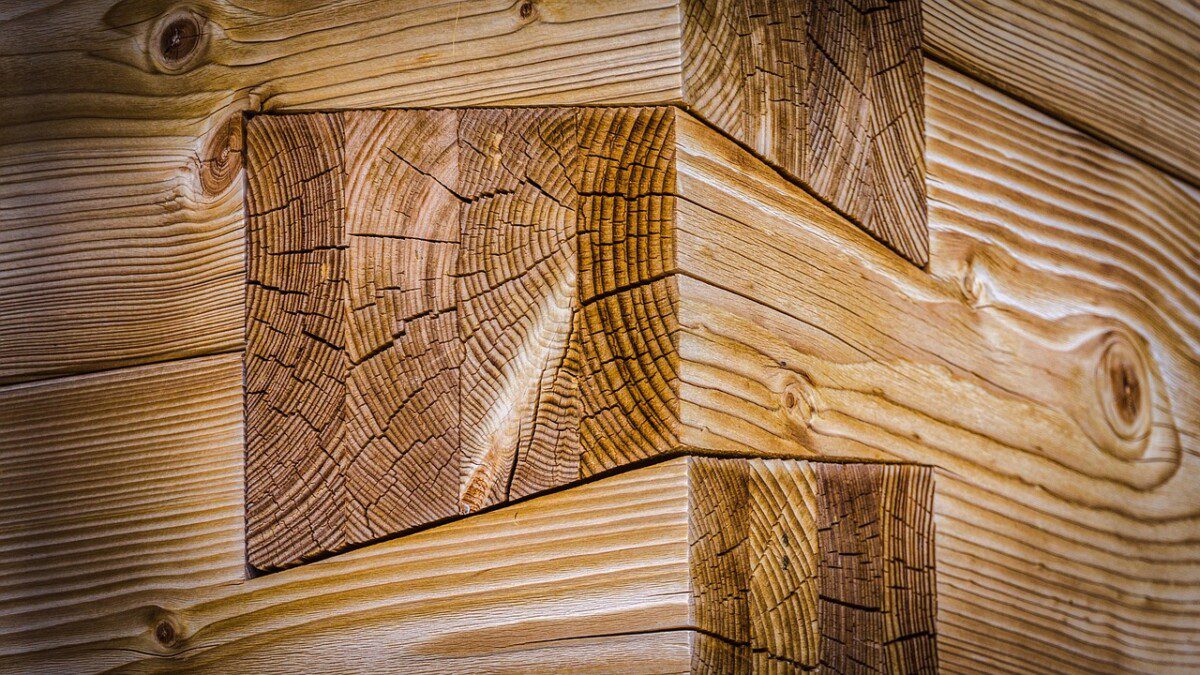
In the world of woodworking, few techniques are as iconic or revered as the dovetail joint. Known for its strength, durability, and elegant simplicity, this interlocking method of joining two pieces of wood has been a hallmark of fine craftsmanship for centuries. But beyond its practical application lies a curious tidbit of lore that whispers through the workshops of seasoned carpenters—a tale that blends history, superstition, and the craft itself.
The dovetail joint gets its name from its distinctive shape, resembling the fanned tail of a dove. Its origins are murky, with examples dating back to ancient Egypt, where tomb furniture from the First Dynasty (circa 3100 BCE) showcases early versions of the joint. However, it’s in medieval Europe that the dovetail takes on a more mystical reputation. According to woodworking legend, the dovetail wasn’t just a practical solution—it was believed to possess a near-magical ability to “lock in” the spirit of the wood.
Carpenters of the Middle Ages, deeply attuned to the materials they worked with, often saw trees as living entities with souls or essences. When a tree was felled and shaped into furniture, it was thought that its spirit could linger, restless and unbound, causing the wood to warp or split over time. The dovetail joint, with its precise, interlocking “pins” and “tails,” was said to trap this spirit, binding it into the piece and ensuring its stability. A well-crafted dovetail wasn’t just a sign of skill—it was a talisman of sorts, a way to appease the wood and guarantee the longevity of the work.
This belief was so strong that some master woodworkers would refuse to teach the technique to apprentices until they’d proven their respect for the craft. In certain guilds, it’s said that a poorly cut dovetail was grounds for reprimand—not just for shoddy workmanship, but for risking the release of the wood’s spirit into the world, where it might wreak havoc in subtle, unpredictable ways.
Of course, modern woodworking has largely dismissed such notions as superstition. We now understand the dovetail’s strength comes from its geometry: the angled cuts create a mechanical lock that resists pulling apart, while glue adds an extra layer of security. Yet the lore persists, whispered among artisans who still cut dovetails by hand with chisels and saws. There’s a romance to it—a sense that each joint carries not just the maker’s skill, but a story that stretches back through time.
Next time you admire a dovetailed drawer or chest, take a moment to consider the hands that made it. Were they simply building, or were they binding something more—a piece of history, a fragment of folklore, a spirit locked in wood? In the quiet creak of an old cabinet, you might just hear the echo of that ancient belief.


