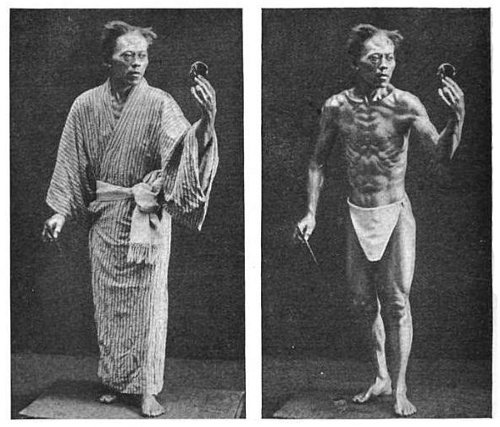
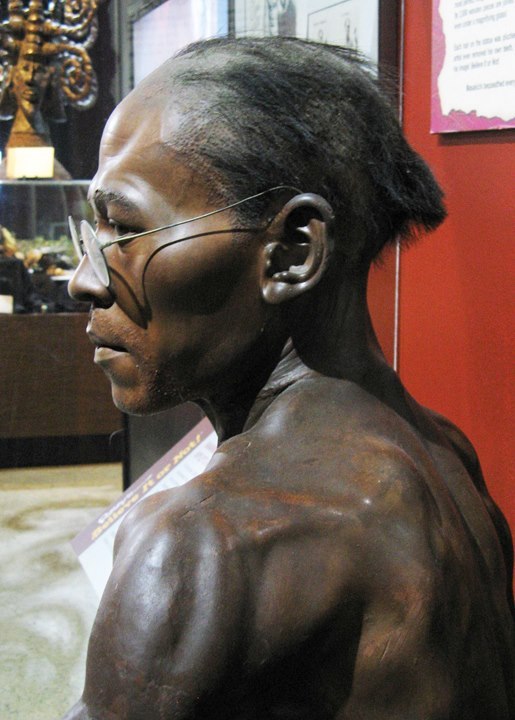
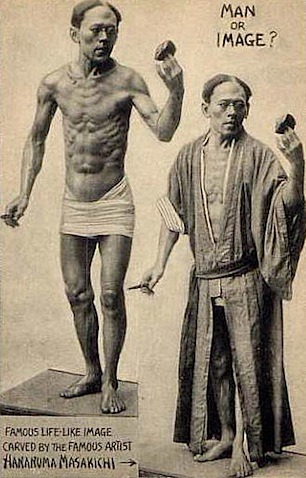
In the late 19th century, a unique work of wooden sculpture was created that continues to fascinate historians, collectors, and woodworkers alike. This life-size wooden figure, long attributed to the Japanese photographer Hananuma Masakichi (花沼 正吉), stands at the intersection of craftsmanship, cultural history, and myth.
Who was Hananuma Masakichi?
Hananuma Masakichi was a Japanese photographer active during the Meiji period, a time of rapid modernization and cultural exchange in Japan. Based in Yokohama, he was part of a group of photographers producing images for foreign visitors — landscapes, portraits, and scenes that helped shape Western perceptions of Japan in the late 1800s.
Less well known until later decades is the story tied to his wooden figure. According to historical accounts and popular retellings, Masakichi began work on a life-size wooden replica of himself in 1885 when he was reportedly ill with tuberculosis. Whether motivated by a desire to leave a legacy, a gift for a loved one, or a personal artistic statement, the result was extraordinary.
The wood figure: craft and detail
The figure attributed to Masakichi is remarkable not just for its size, but for the level of detail and realism described by early observers:
- Life-size scale: The sculpture was crafted at human scale, with careful proportions and anatomical detail.
- Construction: Reports suggest the figure was assembled from thousands of wooden strips, joined with dovetail techniques, glue, and pegs so that joinery lines were invisible. This method alone places it within the realm of advanced woodworking skill.
- Surface realism: Contemporary descriptions highlight the figure’s surface modeling — muscle definition, veins, and posture — which many found strikingly lifelike for wood.
- Story and legend: Later accounts — particularly those circulated through Ripley’s Believe It or Not! — added claims that actual hair and other materials were used to enhance realism. These embellishments are likely apocryphal, but they speak to the aura the piece acquired over time.
When worlds collide: photography, woodworking, and curiosity
It is worth underscoring a couple of important points for readers who value historical accuracy:
- There is no primary documentation definitively proving that Masakichi himself carved the figure from start to finish as a woodworker would. The historical record links his name to the sculpture, but many details come from secondary sources, exhibitions, and oral history.
- What is well documented is that a life-size wooden figure linked to his name became widely known and exhibited, particularly in the 20th century.
The sculpture’s later history
In the 1930s, the wooden figure entered the collection of Robert Ripley, founder of Ripley’s Believe It or Not!. It became one of the collection’s most sensational oddities, toured the world, and was included in Ripley exhibits for decades.
The figure endured damage during the 1994 Northridge earthquake while in storage in California. It was subsequently restored, preserving it for future display. According to Ripley’s Believe It or Not!, the original piece is currently exhibited at the Ripley’s Odditorium in Amsterdam, with additional replicas shown in other Ripley venues. Although display locations can change, the original sculpture continues to survive into the 21st century as an object of curiosity and craftsmanship.
Why woodworkers find this story compelling
For the woodworking community, this figure resonates on several levels:
- It illustrates how wood can be used for lifelike representation, not just functional objects or traditional carving motifs.
- It prompts reflection on wood, realism, and narrative — what does it take to make wood “come alive” to an observer?
- Whether one views the story as legend, history, or a blend of both, the figure stands as an example of how wood intersects with culture, personality, and myth.
Final thoughts
The story of Hananuma Masakichi’s wooden figure highlights how craftsmanship and narrative can combine to create an object that transcends its material. Even generations later, woodworkers and history enthusiasts continue to be drawn to it — not just for what it is, but for what it represents: a blend of human aspiration, artistic curiosity, and the enduring capacity of wood to hold our attention.
If you have come across images, replica details, or historic documentation of this piece in old catalogs or museums, share them in the comments. Woodworkers around the world would be fascinated to see how this story lives on in pictures and memories.