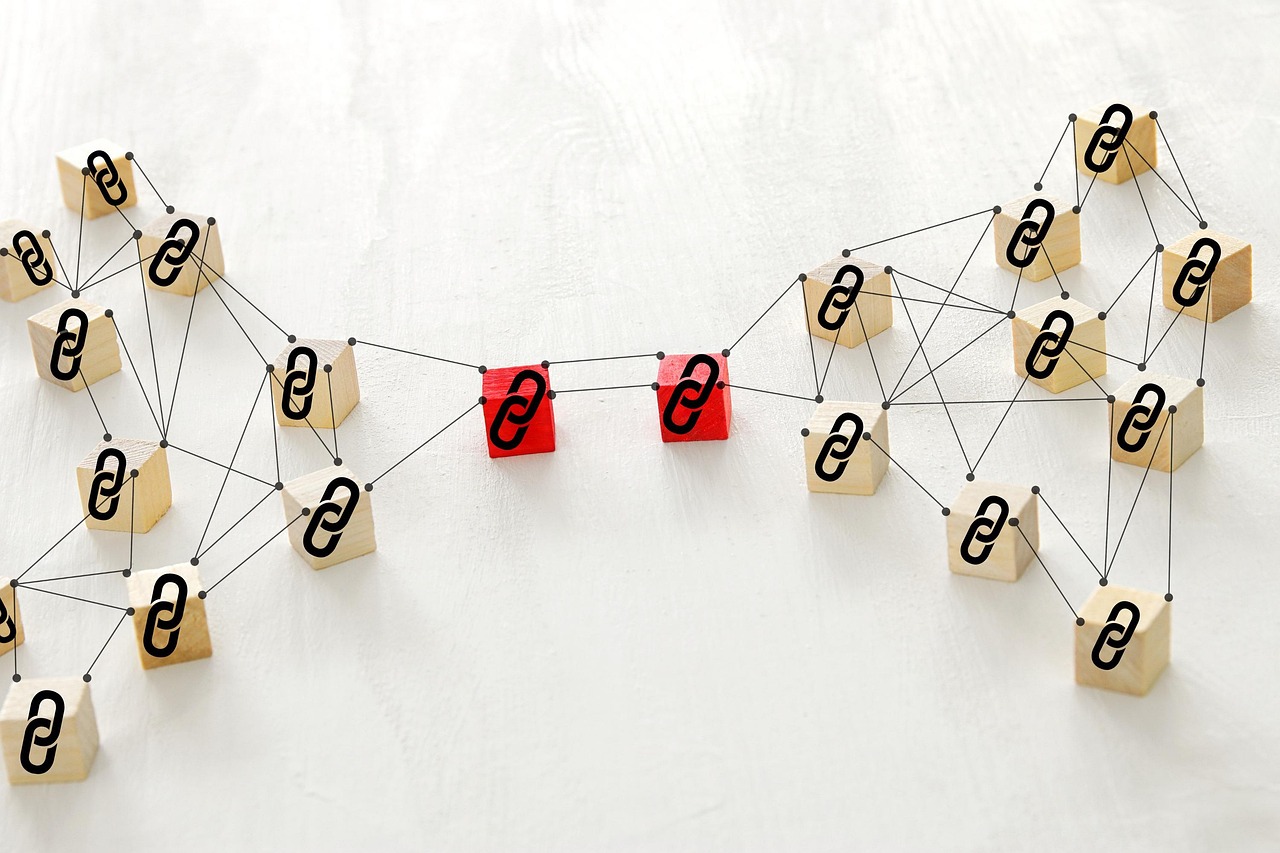
In the early days of the Web, roughly the late 1990s to early 2000s, blogs and forums often discouraged or outright banned external links due to a mix of technical, cultural, and economic concerns. The primary fear was spam—malicious or promotional content could flood comment sections or posts, degrading user experience and overwhelming moderators. Platforms lacked sophisticated spam filters, so manual link restrictions were a blunt tool to maintain control. Additionally, many site owners viewed external links as a risk to their ecosystem, fearing that users clicking away might not return, thus reducing engagement and potential revenue from ads or subscriptions. This was compounded by a “walled garden” mindset, where sites aimed to keep users within their domain, fostering loyalty and maximizing page views in an era when traffic metrics were a key measure of success.
Today, the Web operates on a fundamentally different paradigm, driven by the evolution of search engines, social media, and a deeper understanding of user behavior. Cross-linking is now a cornerstone of the digital ecosystem for several reasons:
- Search Engine Optimization (SEO): Search engines like Google heavily reward cross-linking. Outbound links to reputable sites signal trustworthiness and relevance, boosting a site’s ranking in search results. Backlinks from other sites are equally critical, as they drive referral traffic and enhance domain authority. This wasn’t fully understood in the early Web, when SEO was rudimentary and sites prioritized hoarding traffic over building networked credibility.
- User Expectations and Behavior: Modern users expect a hyperlinked Web where information is interconnected. Links provide context, evidence, or further reading, enhancing content value. Restricting links today would alienate users who see seamless navigation as a feature, not a threat. Social media platforms, like X, amplify this by encouraging link sharing to spark discussions and virality, further embedding cross-linking into Web culture.
- Economic Incentives: Early sites often relied on banner ads or subscriptions, where keeping users on-site was critical. Today, monetization models like affiliate marketing, sponsored content, and programmatic ads thrive on cross-linking. Driving traffic to partner sites or tracking user journeys across the Web can be directly profitable. Even non-monetized blogs benefit indirectly through increased visibility and reciprocal traffic from linked sites.
- Technological Advances: Modern content management systems and moderation tools, like automated spam filters and AI-driven content analysis, reduce the risks of malicious linking. Platforms can allow external links without fear of being overrun by spam, unlike the labor-intensive moderation of the early Web.
- Cultural Shift Toward Openness: The early Web’s competitive, siloed mentality has given way to a more collaborative ethos. Sites now see themselves as part of a broader ecosystem where linking to quality content enhances their own credibility. For example, a blog citing a study via a link is seen as authoritative, not a risk to its audience retention.
Data from recent analyses supports this shift. Studies indicate that sites with strategic outbound links can see a 20-30% boost in SEO performance, as search engines prioritize well-connected content. Meanwhile, user engagement metrics show that sites with relevant external links often have lower bounce rates, as users perceive them as more informative. On X, posts with links frequently drive higher engagement, as users share and discuss external content, reflecting the Web’s interconnected nature.
In summary, the transition from link aversion to embrace reflects a maturation of the Web’s infrastructure and incentives. Early fears of losing users or being spammed have been replaced by a recognition that cross-linking fuels traffic, enhances credibility, and aligns with user expectations in a networked digital world.


