The next phase of our trip took us to the western regions of Panama, where we are looking for a place to escape the Pennsylvania winters. Actually, we haven’t totally settled on Panama as our destination country, but it has eclipsed Costa Rica in our calculations, and we haven’t yet ventured to Nicaragua or Ecuador, two other prospective countries we’d like to consider.
After returning from the Pearl Islands on a morning flight to Panama City, we had several hours to kill before boarding another plane for David, the major city of western Panama. Not wanting to sit around the domestic airport all day, we phoned our taxi driver pal and had him pick us up for a tour of a couple places we’d been meaning to see, the Reposa Gold and Silver factory and the Panama Canal Museum.
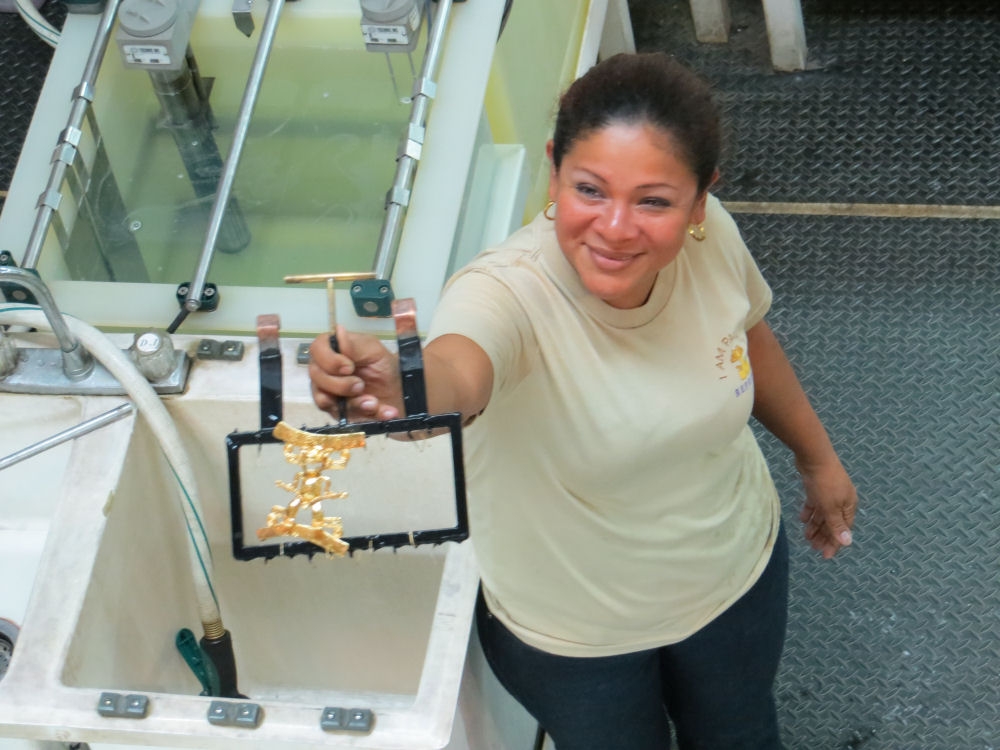
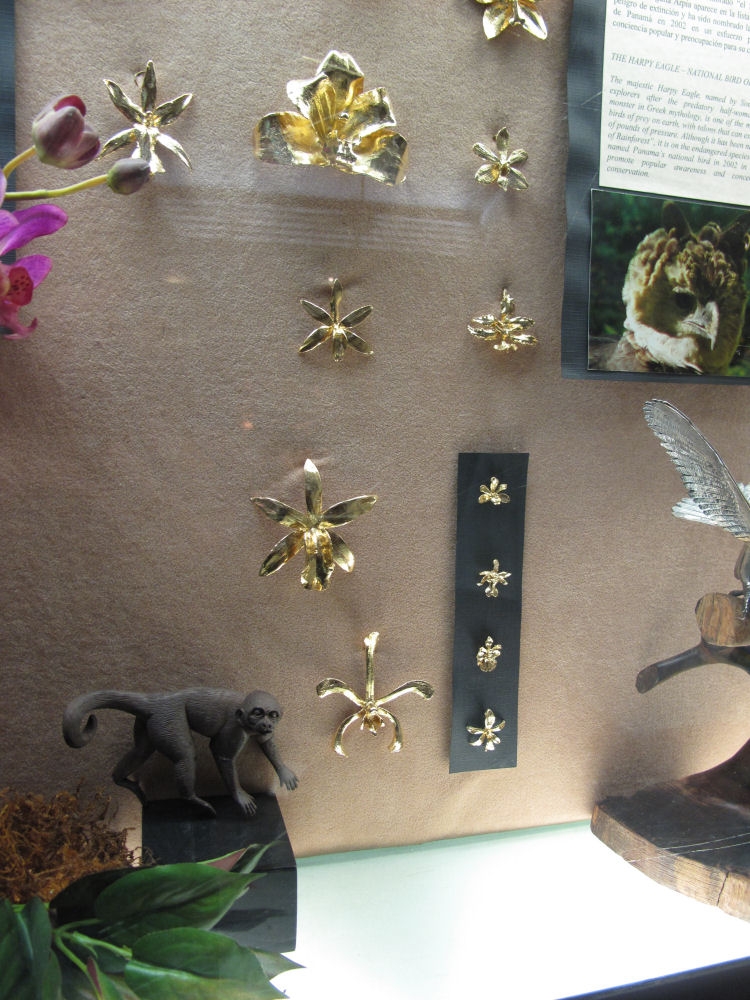
We had read about the metal-casting place in our Lonely Planet guide, and decided it might be worth visiting. Essentially, it is an investment-casting company that casts jewelry and reproductions of early Panamanian artifacts in precious metals. I was familiar with the lost wax process – creating the rubber mold from the original, casting the wax model, making the plaster mold, melting out the wax, casting the base metal, blasting it clean and then plating it with gold – but, for anyone who isn’t, a tour through the Reposa factory is a pleasant introduction. They showed us a ten minute video and then led us around a mezzanine overlooking their factory floor, where each step of the process is clearly seen. After the tour, we made an obligatory visit to their gift shop, where I found a nice little anniversary present for Candy and a new Panama hat for myself.
From there, we headed back across town to the Miraflores Locks, where the Canal Museum is located. The museum is tiny, but full of artifacts and historical photos of the Herculean efforts that went into the construction of the Canal. Now, a hundred years after its completion, Panama is rushing to finish up a new set of locks that will enable super-tankers and other larger ships to pass. They’re hoping to begin operations in early 2015.
Our flight to David was short and pleasant, aboard a German-made Fokker jet that may have been the quietest plane I’ve ever ridden. Since we were arriving in the evening, we decided to stay the night at one of the only two respectable hotels in David, the Gran Nacional, a large, sprawling hotel that was probably resplendent about 50 years ago, but today it struggles to be a shadow of its former self.
The next morning, we haggled a rental-car deal at the airport and set out on the first leg of our drive-about, up to the Reserva Forestal Fortuna, a national forest about an hour north of David. We had booked a room at a tiny, two-room B&B located along the road right in the preserve. Our intention was to stay there for two nights en route to Bocas del Toro, the archipelago at the northwest corner of Panama near the Costa Rican border.
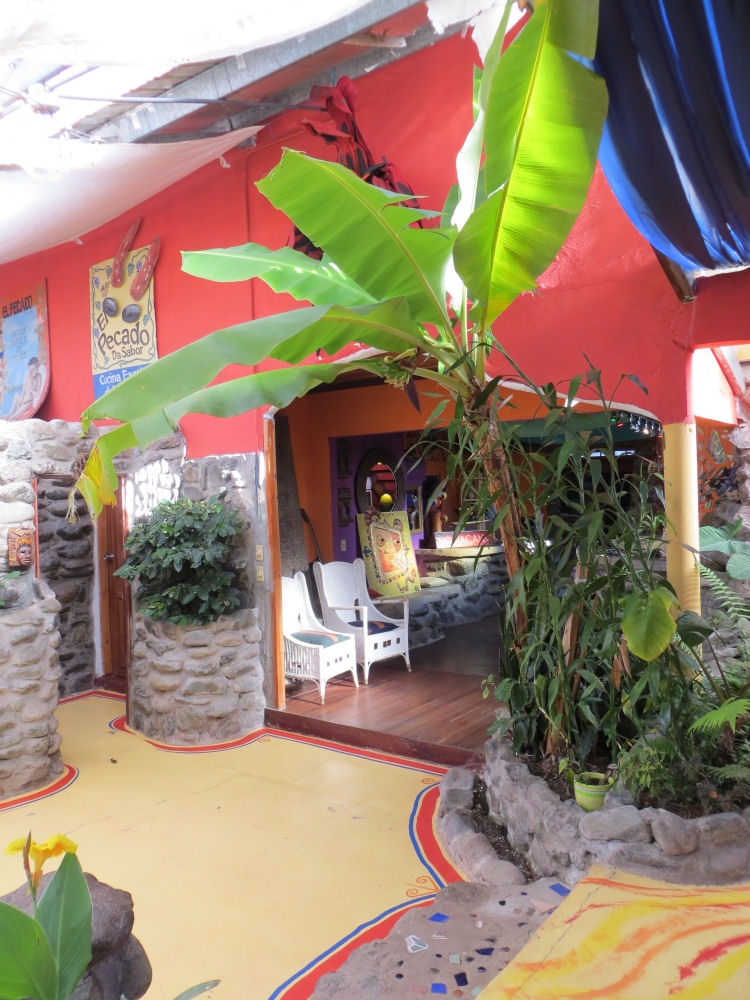
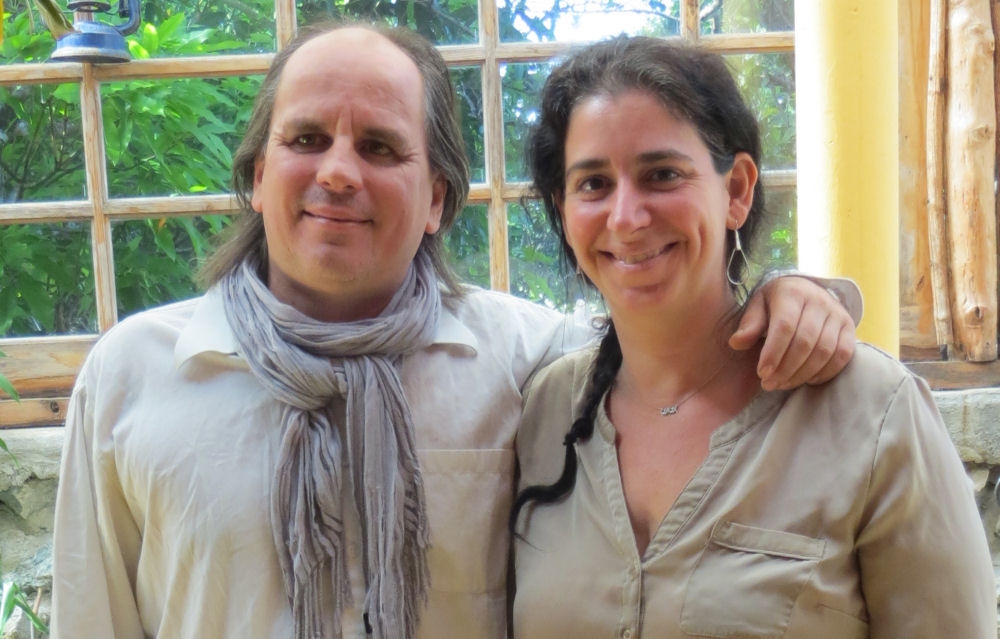
The B&B is hosted by a lovely couple, Stefan and Olga, who had operated a restaurant in Bocas for many years before heading up to the mountains. Stefan is French-Canadian and his wife was born in Cuba and raised in Paris and elsewhere. They have created a truly memorable refuge here on the mountainside, with amazing views, eclectic accommodations and some of the best cooking we’ve ever had. Olga’s recipes and presentation were awesome.
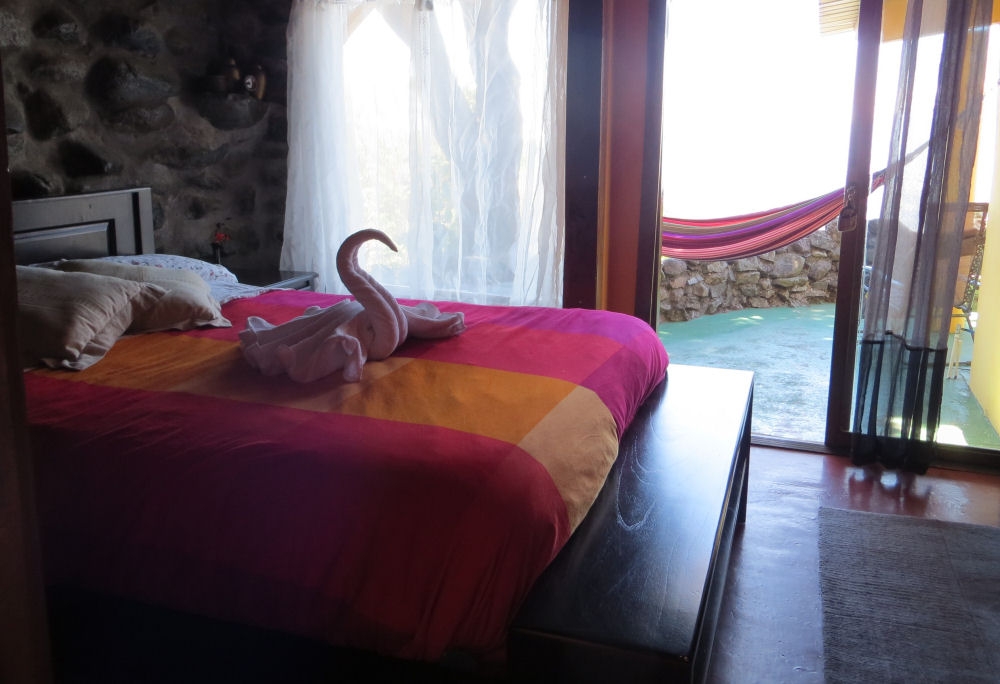
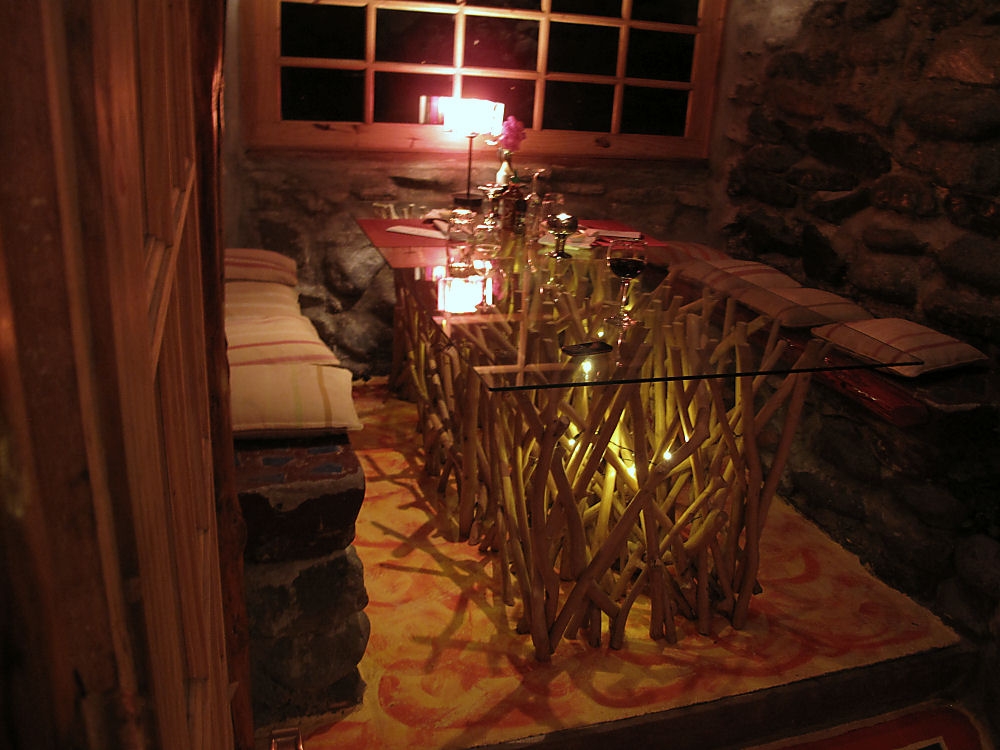
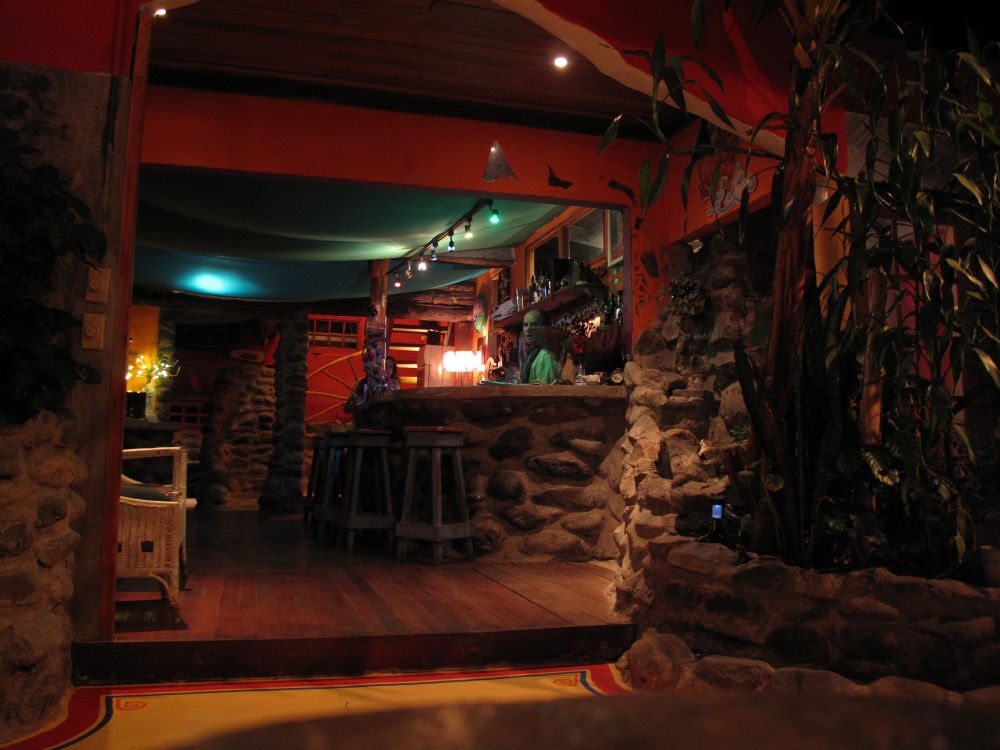
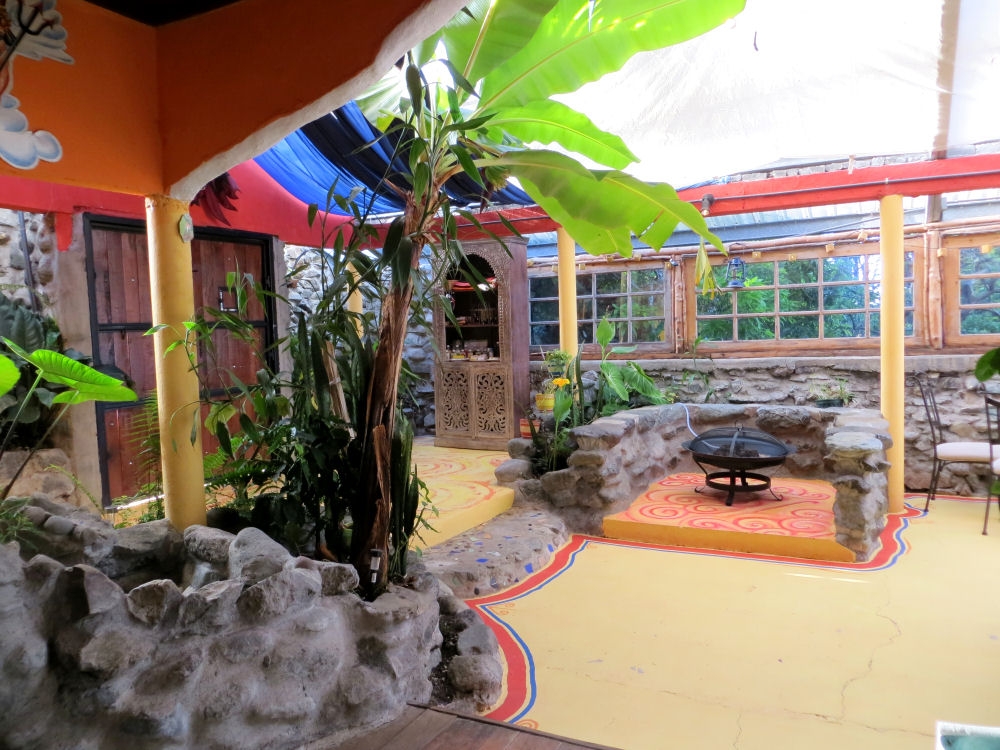
For reasons unknown and unexpected, I managed to suffer a back spasm on our first evening at the Refugio and spent the rest of our stay crooked and aching. There was no way I could endure a trip to Bocas in this condition, so we changed our plans and decided to head for Boquete instead. I found a chiropractor, Dr. David Ahrend, along the way, in the dry, sleepy town of Caldera and was treated to an excruciating but successful couple of massages that had me nearly back to normal in two days, thank heavens. For a while there, we thought we might have to cancel the rest of our trip.
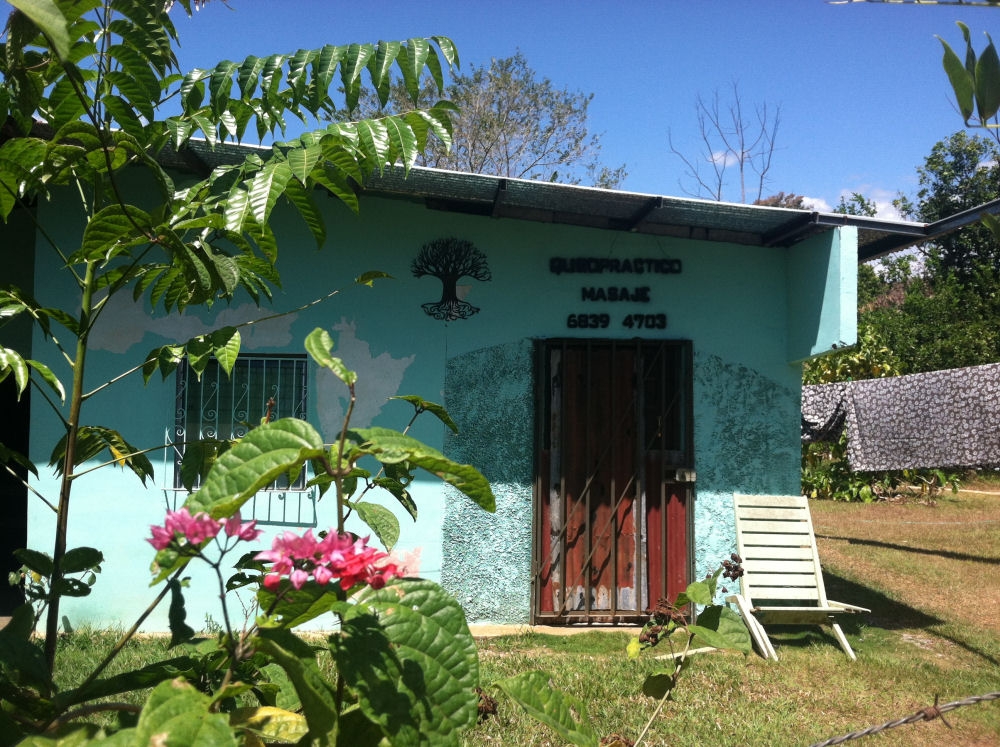
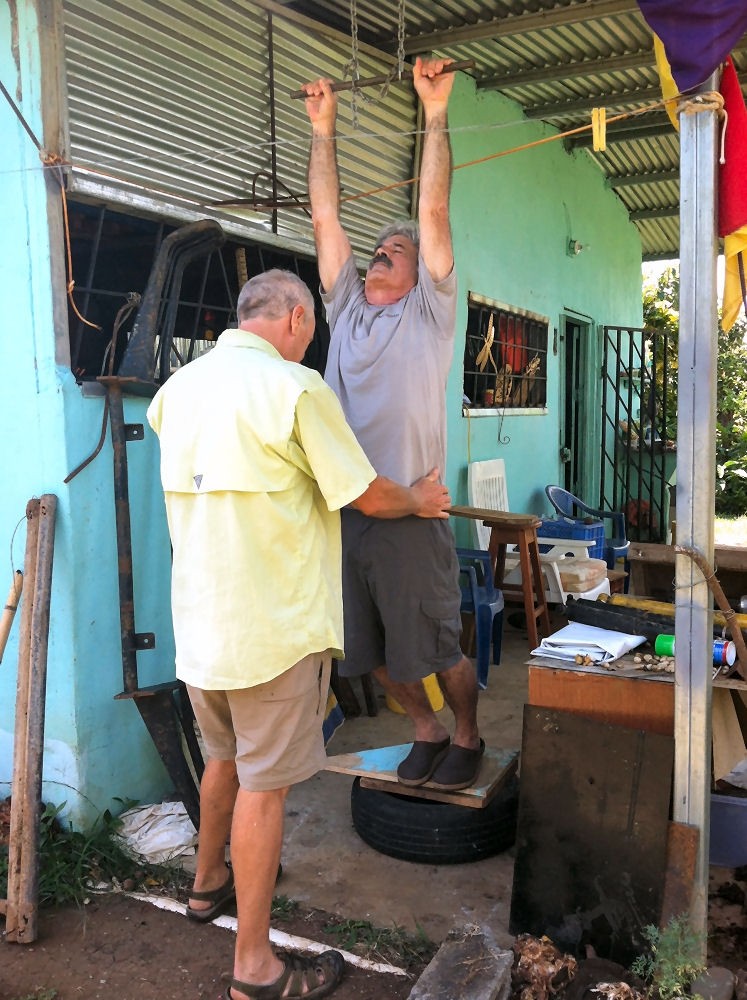
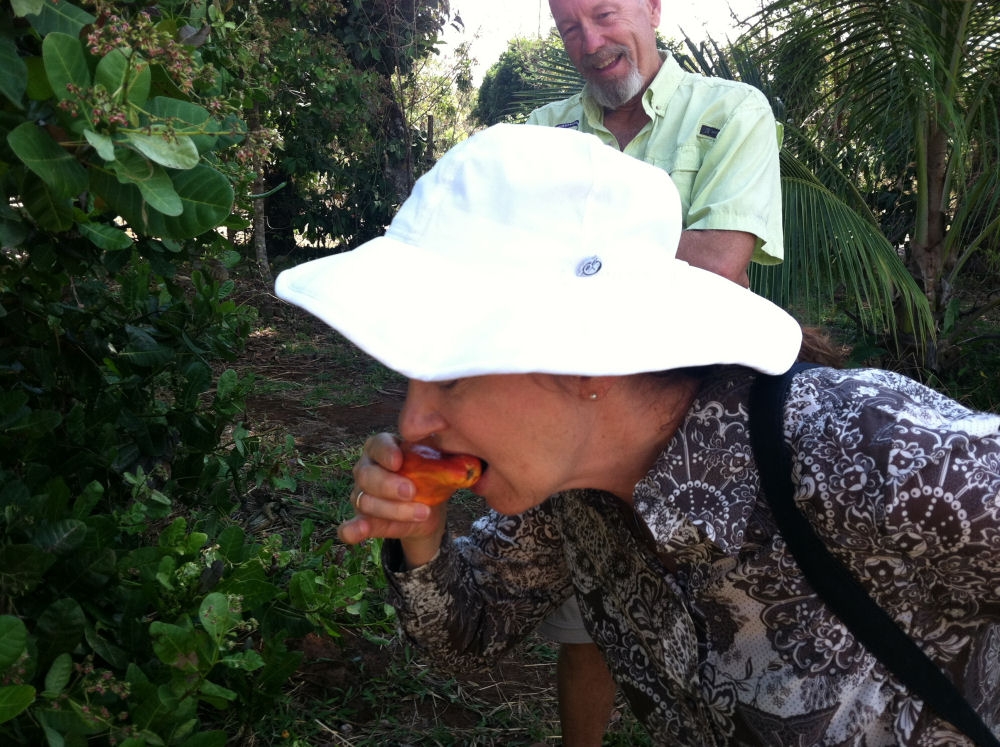
The stop in Caldera proved to be eventful in other ways, too. We couldn’t find a hotel room in Boquete, half an hour up the road, so we wandered into a little guest-cabin spot along a picturesque river in Caldera. The proprietor, Frank Stegmeier, who was originally from Allentown, PA (believe it or not), didn’t have any vacancies in his three gorgeous little casitas, but he invited us in for a juice drink and some conversation about buying property in Panama. As it turned out, Frank just happened to have a couple 12-acre lots adjacent to his property that he’d love to sell us, for about a tenth of the going price of land in Boquete.
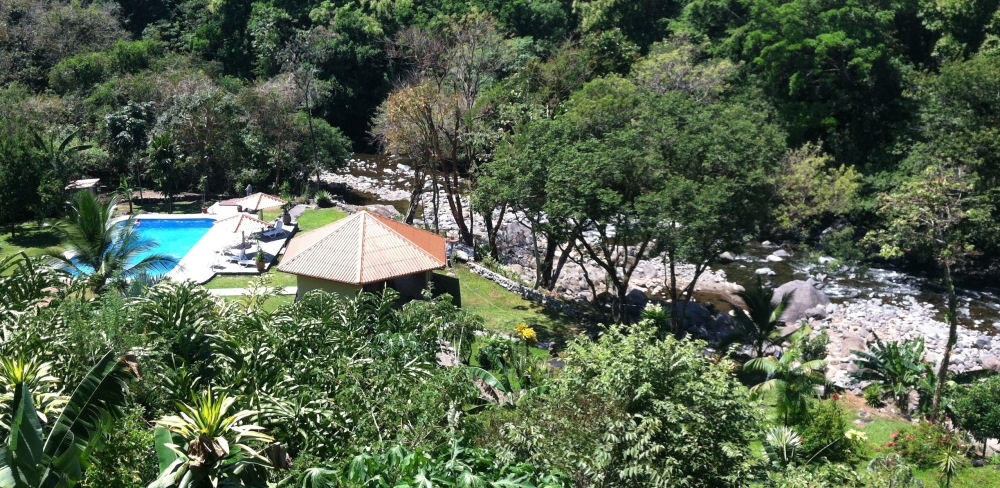
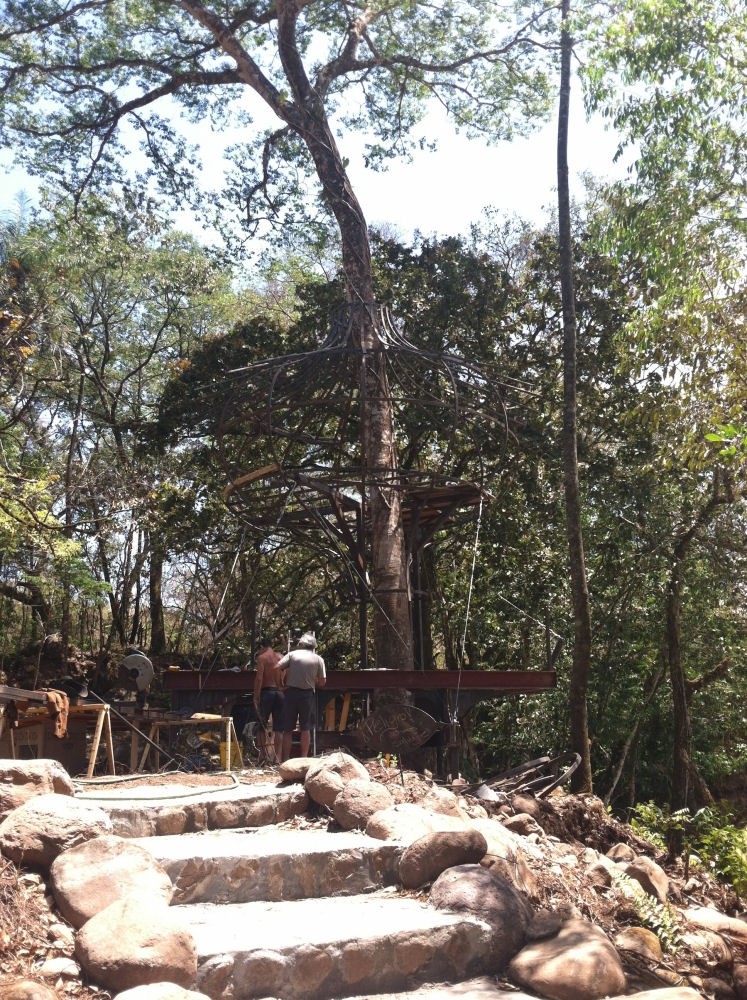
While we were chatting, a neighbor, Chris McCall, stopped by to borrow a chainsaw. When he heard that we didn’t have a place to stay, he offered to put us up at his place. Why not, says we. We weren’t disappointed. Chris is a displaced retiree from Colorado who is in the throes of a divorce from his wealthy wife. He lives in a hilltop house that he built himself, a wonderful three-bedroom home with a wrap-around veranda overlooking the surrounding grazing land and the cordillera beyond.
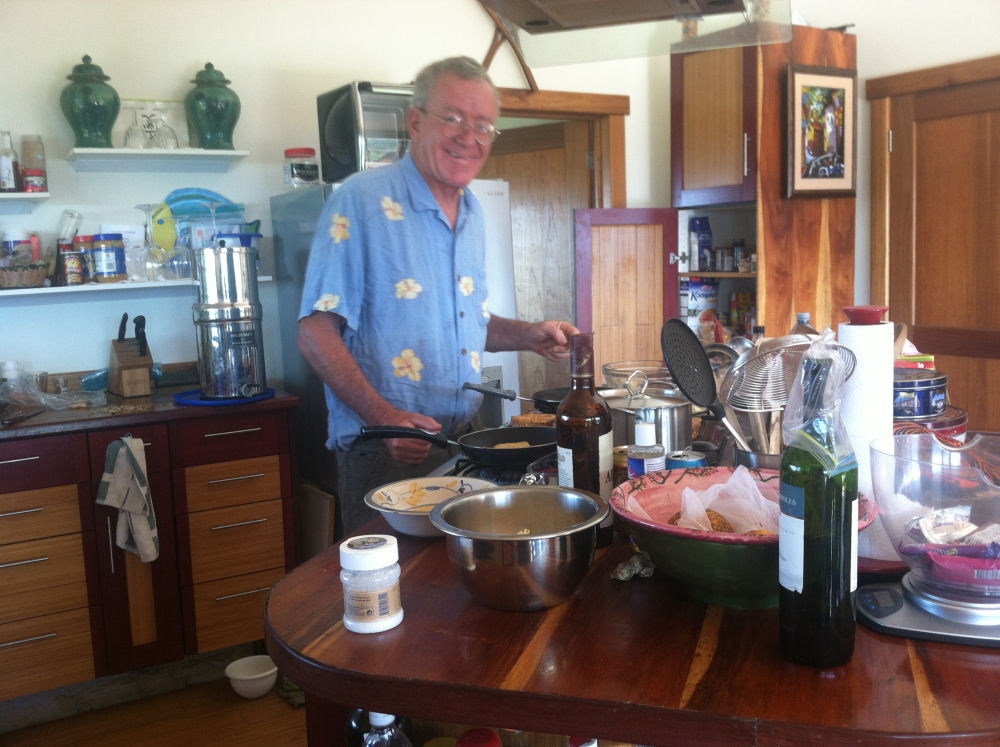
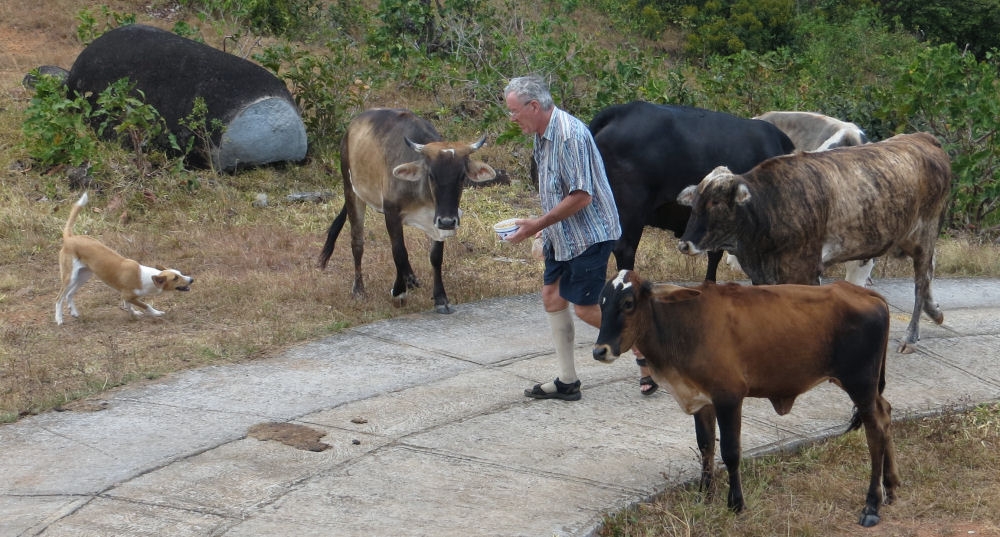
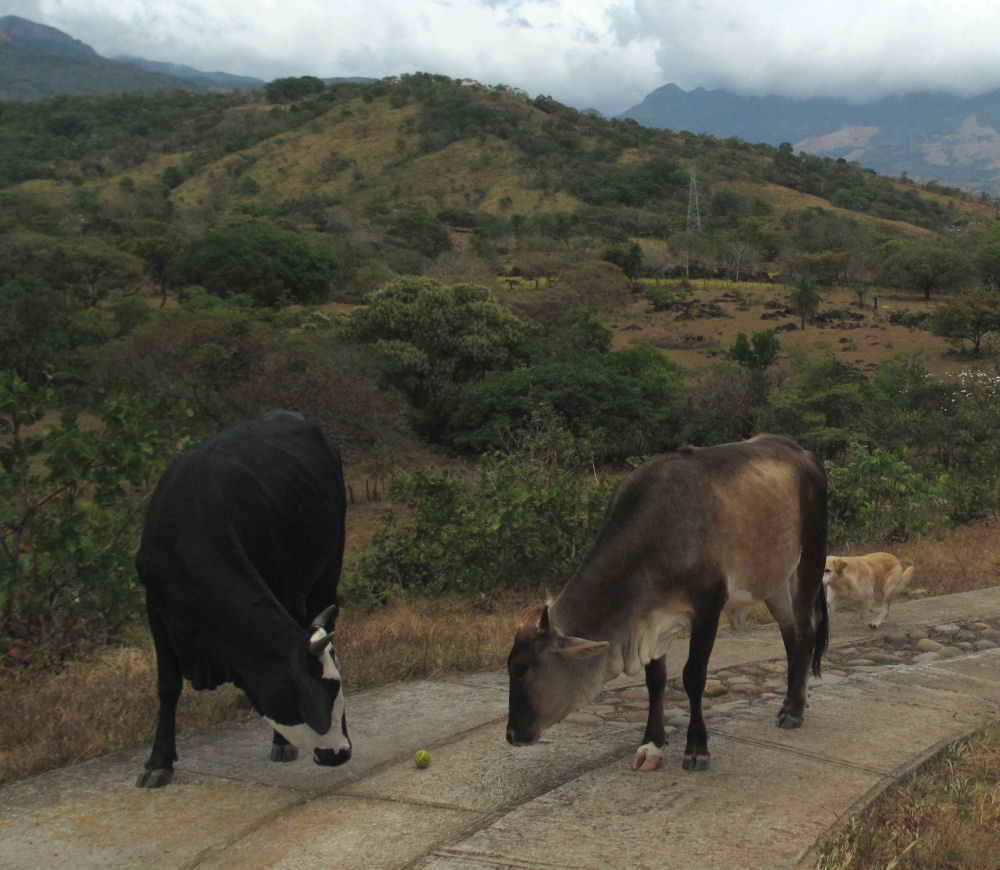
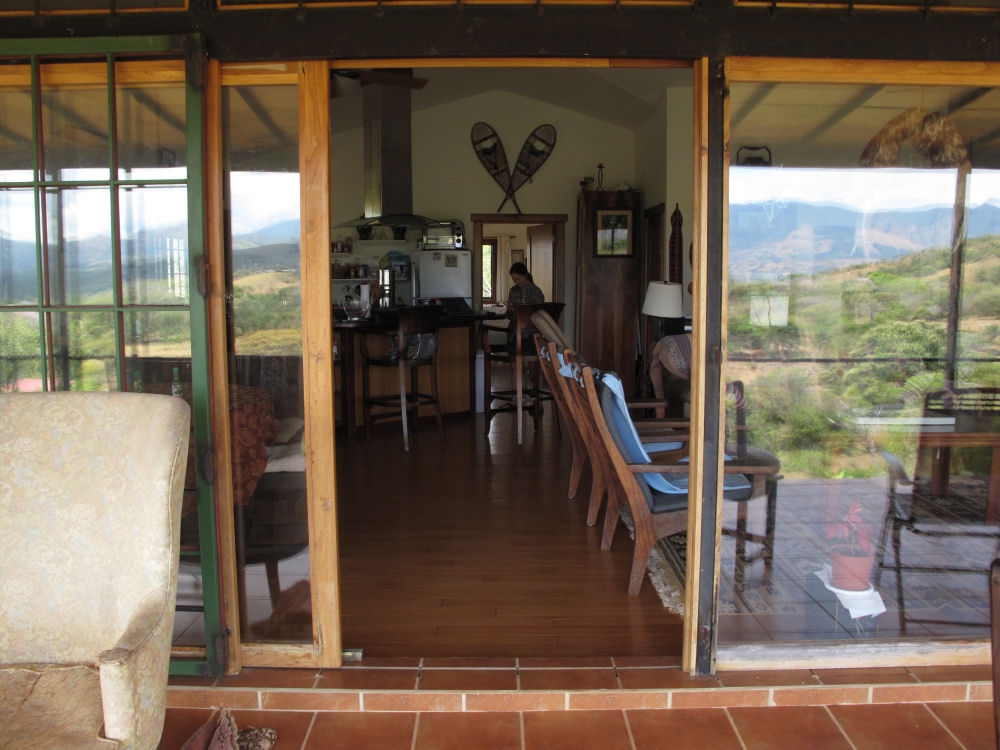
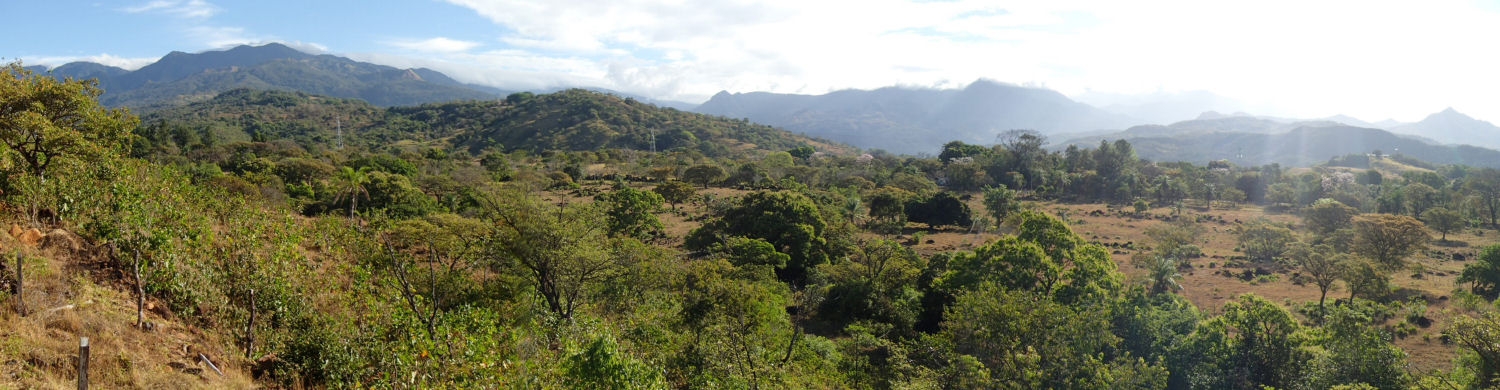
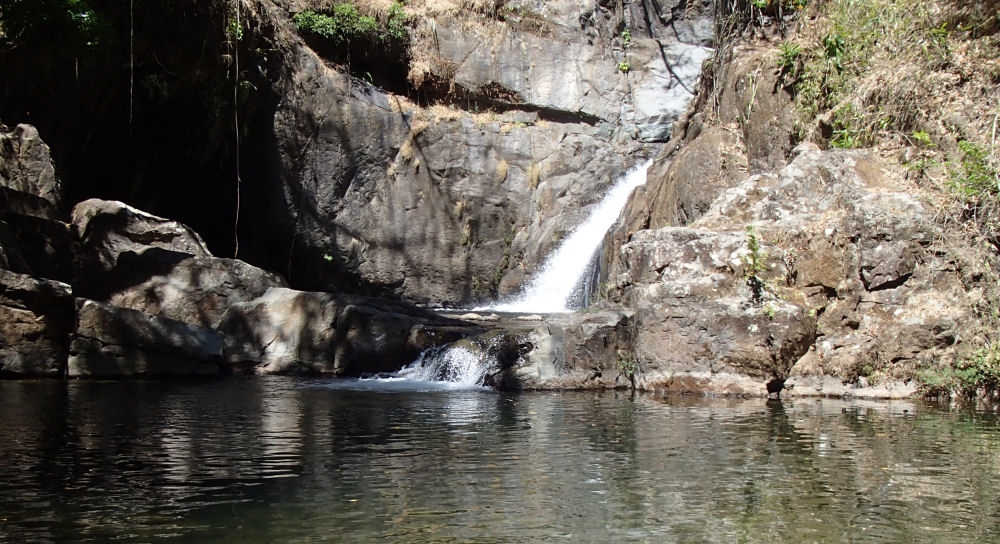
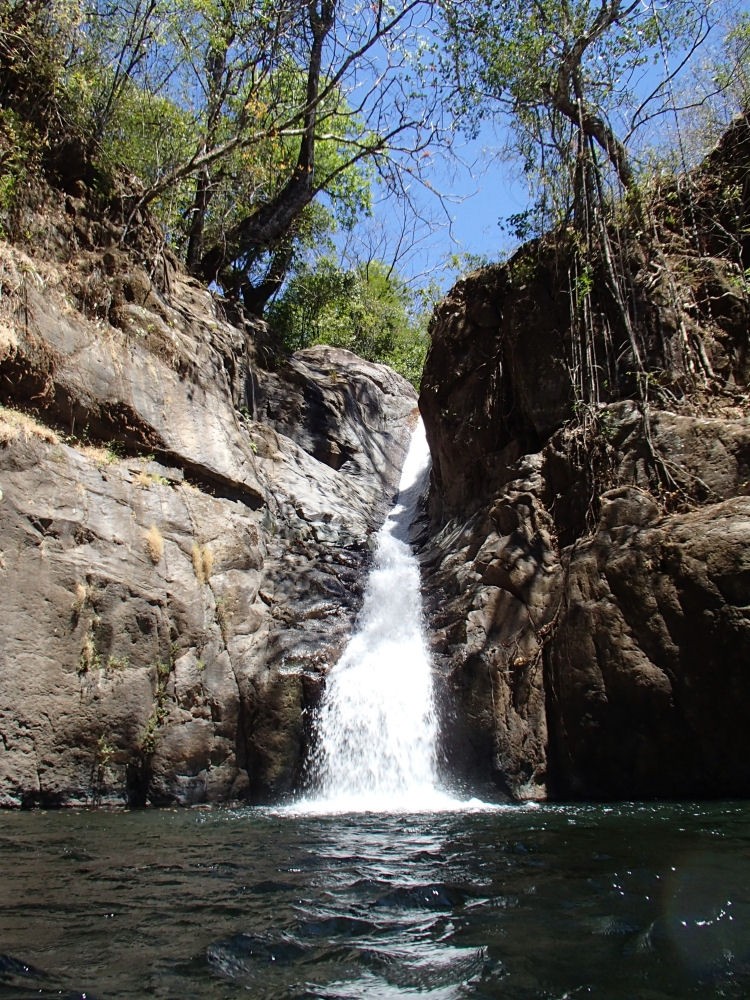
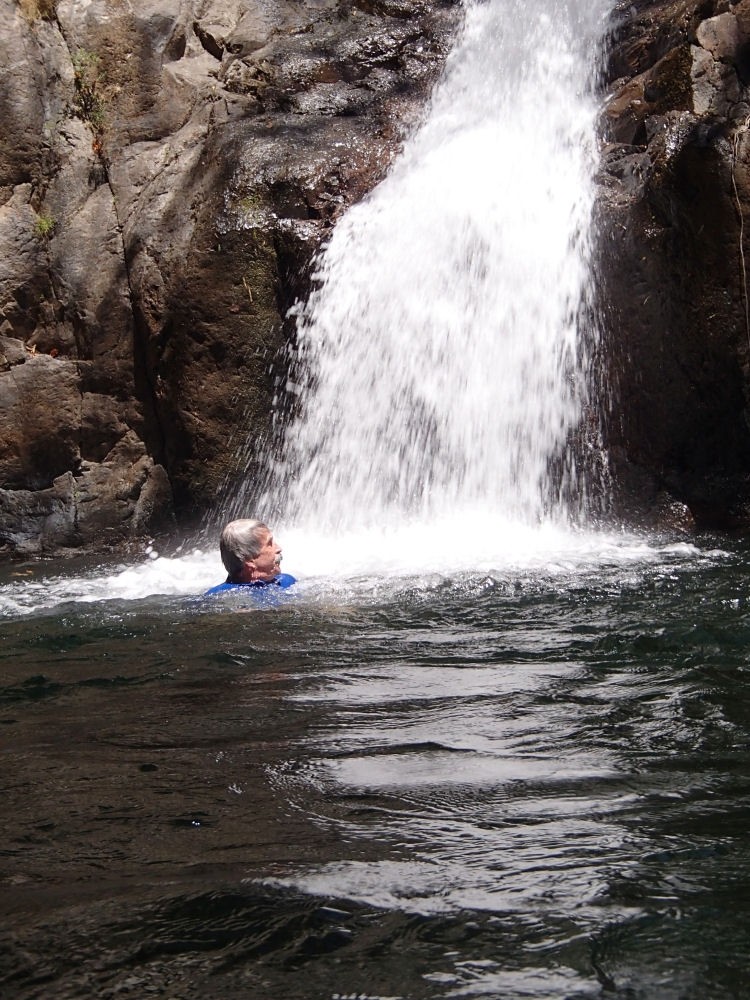
We stayed for four nights with Chris, and spent our days driving up to Boquete and looking at real estate. One day, though, we ventured up to an amazing waterfall in the middle of nowhere and spent the afternoon swimming and picnicking with Chris and two of his friends. The water was cool and crystal clear, cascading about 50 feet into a large, deep pool and then spilling over into another shallower pool. It was an unforgettable place.
Boquete is internationally known as an ex-pat community halfway up Volcan Baru, an extinct volcano on the cordillera near the Costa Rican border. There are a few reasons why this area appeals to us, not least of which is the climate. Panama is only 8º north of the Equator, so low-lying areas are extremely hot. Boquete is at 3,500 ft. above sea level, where temperatures year-round average around 65º at night and 85º-90º during the day. There are micro-climates in this region as well, with the lower elevations, such as Caldera, being hotter and much drier, and the higher elevations cooler and almost perennially misty. Boquete is backed up against the Amistad International Park, a huge national wilderness area on the Caribbean side of the cordillera that encompasses a biome called “cloud forest,” where the rain and mist create an otherworldly jungle environment, unbroken by roads, and where the only human inhabitants are aboriginals living the way they have for centuries.
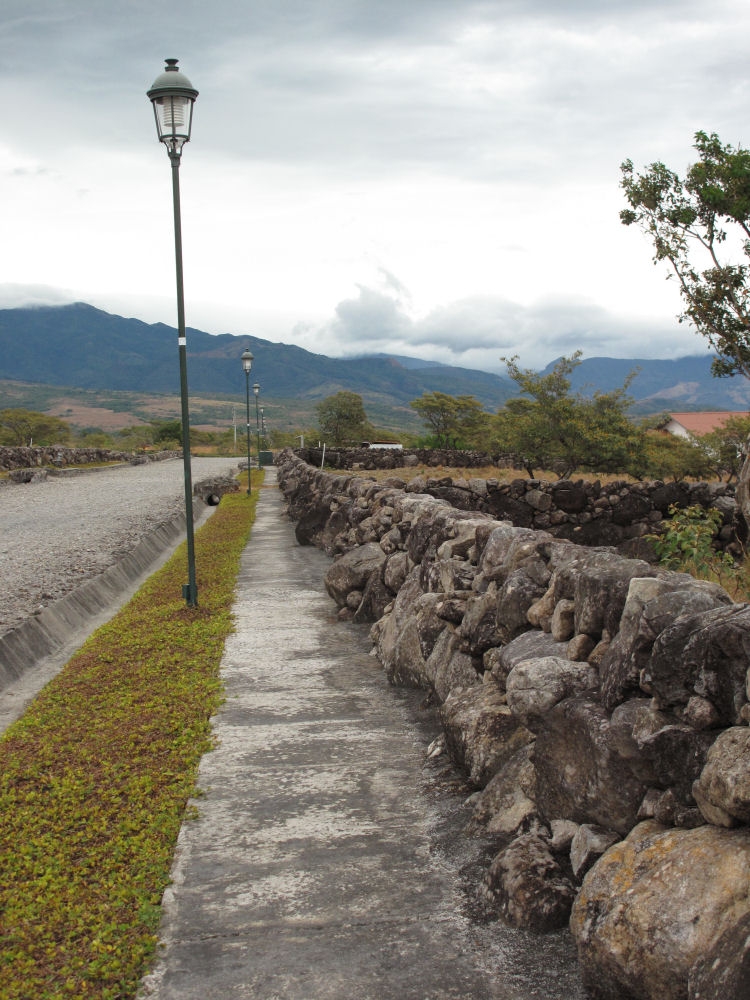
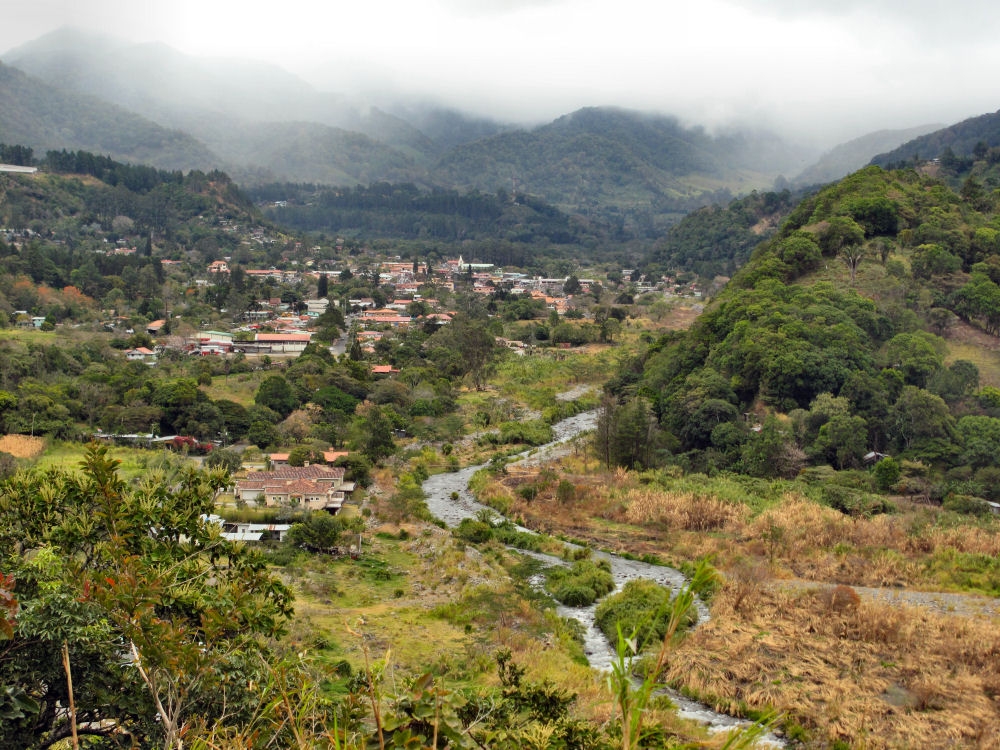
If the climate is ideal here, the real-estate prospecting is less propitious. The area has been in the throes of big-time development for a couple decades now, and the bargains are all gone. We drove all around the area, up and down the steep roads surrounding the town, and visited several homes and building lots with realtors, without finding anything that particularly resonated with us, and the prices for properties were astonishingly high. The rich seem to have inherited the earth, at least here in Panama.
Realizing that this area was already too far gone for us, we decided to scale back our search and look at other regions in Panama. But, it is becoming clearer all the time that big Panamanian and international money has already locked up most if not all of the desirable real-estate in Panama, including vast undeveloped areas on the Caribbean coast. Small players like us can still find reasonable investments, but the premium places are likely to be beyond our reach.


