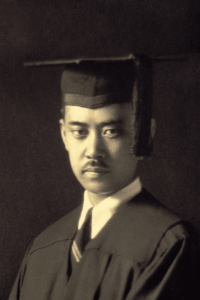
Few names in the world of woodworking are as revered as George Nakashima. A pioneer in organic and handcrafted furniture, Nakashima’s work blended traditional Japanese craftsmanship with modern design sensibilities. His philosophy of working with, rather than against, the natural beauty of wood resulted in some of the most stunning furniture pieces of the 20th century.
Early Life and Influences
Born in 1905 in Spokane, Washington, Nakashima’s early exposure to nature and architecture influenced his future career. He studied architecture at the University of Washington and later earned a master’s degree from MIT. His travels through Europe, North Africa, and Asia deepened his appreciation for different artistic traditions, particularly Japanese woodworking techniques.
The Internment Years and Transformation
During World War II, Nakashima and his family were sent to an internment camp in Idaho. It was there that he met a Japanese carpenter, Gentaro Hikogawa, who taught him traditional Japanese woodworking techniques. This experience profoundly shaped Nakashima’s approach to craftsmanship, emphasizing patience, precision, and respect for materials.
Signature Style and Philosophy
After the war, Nakashima settled in New Hope, Pennsylvania, where he established his workshop. His work celebrated the natural form of wood, often featuring large slabs with live edges, butterfly joints, and a meticulous hand-finished quality. Rather than forcing wood into unnatural shapes, he allowed its organic lines and imperfections to tell a story.
His designs, including the iconic Conoid Chair and the Minguren Table, remain highly sought after. His pieces transcend mere furniture; they are works of art that embody harmony between human intention and natural form.
Legacy and Influence
George Nakashima’s influence extends far beyond his own creations. His daughter, Mira Nakashima, continues his legacy, running the Nakashima studio and preserving his techniques. His philosophy of wabi-sabi—the beauty of imperfection—continues to inspire contemporary woodworkers who seek to merge traditional craftsmanship with modern aesthetics.
Today, Nakashima’s work can be found in prestigious collections, including the Metropolitan Museum of Art and the Smithsonian. His commitment to craftsmanship and his reverence for wood remain a guiding force for artisans around the world.
Conclusion
George Nakashima was more than a woodworker—he was a philosopher, an artist, and a pioneer. His ability to turn raw timber into breathtaking, functional art ensures that his legacy will endure for generations to come.


