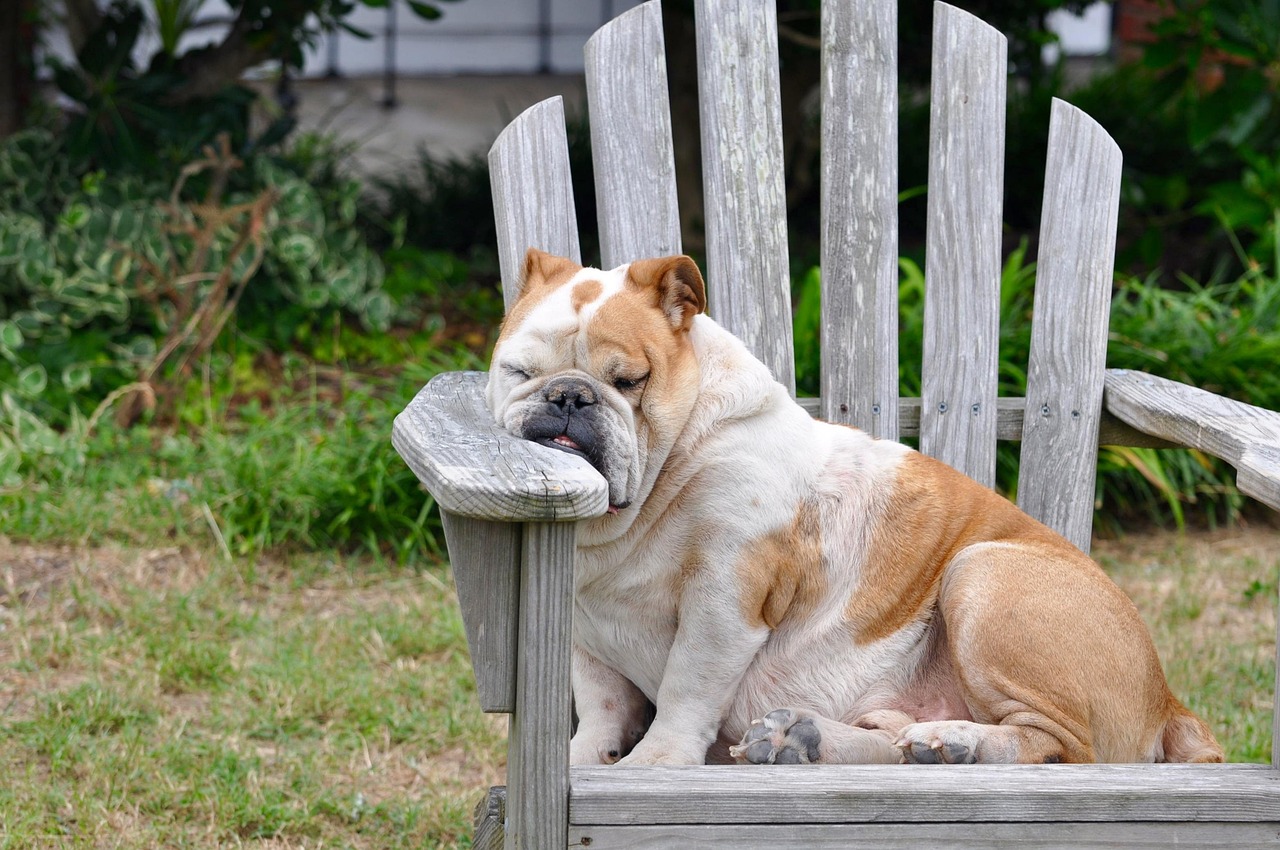
Building outdoor chairs for a humid, wet climate requires wood that resists moisture, rot, and insects while balancing aesthetics, workability, and maintenance. Let’s compare white oak, cypress, and eastern red cedar for your project.
Wood comparison: white oak, cypress, and eastern red cedar
1. White oak
- Durability: White oak is a hardwood with a Janka hardness of ~1,360 lbf, making it much stronger and denser than cypress or cedar. Its tight grain and low porosity give it excellent natural resistance to water and rot, historically used for whiskey barrels and shipbuilding. It’s well-suited for wet climates.
- Aesthetics: White oak has a straight grain with a light to medium brown color, aging to a grey patina if left unfinished. It accepts stains and oils well for customized looks.
- Workability: It’s harder to cut and sand than softwoods, requiring sharp tools and pre-drilling for screws to prevent splitting. It holds fasteners securely and is stable, resisting warping.
- Maintenance: White oak benefits from periodic sealing (e.g., oil-based sealant like TriCoPolymer Lumber-Seal) to maintain color and enhance longevity. Without sealing, it weathers naturally but may fade or crack over time in prolonged sun exposure.
- Longevity: With proper care, white oak furniture can last decades outdoors, especially if kept off damp ground and sealed annually. It’s a top choice for durability in humid conditions.
- Drawbacks: More labor-intensive to work with than softer woods, and rough-sawn boards may require extra milling for smooth furniture-grade surfaces.
2. Cypress (bald cypress)
- Durability: Cypress is a softwood with a Janka hardness of ~510 lbf, less dense than white oak but naturally rot- and insect-resistant due to its cypressane oil. It thrives in wet, swampy environments, making it ideal for humid summers. Old-growth cypress is superior, but modern cypress still performs well outdoors.
- Aesthetics: Light yellow to reddish-brown with a coarse, attractive grain. It weathers to a silver-grey patina if left unfinished, which some find appealing for a rustic look. Staining enhances its grain but requires a clear sealer to prevent fading.
- Workability: Easy to cut, sand, and shape, though over-sanding can damage its soft surface. It takes nails and screws well but may need pre-drilling at board edges to avoid splitting.
- Maintenance: Cypress requires minimal upkeep if you’re okay with the grey patina. For color retention, apply an oil-based, mildew-resistant stain and sealer every 1-2 years. Avoid ground contact to prevent moisture damage.
- Longevity: Properly maintained, cypress can last 20-30 years outdoors, though it’s less durable than white oak in high-wear applications.
- Drawbacks: Softer than white oak, so it’s more prone to dents and scratches. Availability of high-quality, knot-free cypress may be limited compared to cedar.
3. Eastern red cedar
- Durability: Eastern red cedar, a softwood with a Janka hardness of ~900 lbf, is more durable than northern or western red cedar but less so than white oak or cypress. Its natural resins provide good resistance to rot, termites, and powder beetles, but it’s not as moisture-resistant as cypress or white oak in consistently wet conditions.
- Aesthetics: Rich reddish-brown hue with a knotty, aromatic grain, offering a rustic, appealing look and pleasant scent. It weathers to a grey finish if untreated, which suits some styles.
- Workability: Lightweight and easy to cut, sand, and shape, but its softness makes it prone to dents and poor screw-holding compared to white oak. It glues well but may bleed tannins, requiring an oil-based stain-blocking primer before painting.
- Maintenance: Minimal if you accept the grey patina. For color preservation, apply a clear sealer or oil-based stain annually. Keep it off damp grass to extend life.
- Longevity: Eastern red cedar can last 10-20 years outdoors with care, but its softer structure may wear faster under heavy use or constant moisture compared to cypress or white oak.
- Drawbacks: Less structurally sound for load-bearing furniture like chairs. Susceptible to scratches and dents, and not as stable in humid conditions as cypress or white oak.
Recommendations
White oak is the best choice for longevity and minimal upkeep among the three:
- Its superior hardness and rot resistance make it ideal for enduring frequent rain and humidity without warping or decaying.
- It holds up better structurally for chairs, which require stability under weight and movement.
- With annual sealing (e.g., marine-grade Penofin or spar urethane), white oak can last decades with minimal maintenance, retaining its strength and appearance longer than cypress or cedar.
Cypress is a strong second choice, especially if you prefer its lighter weight and rustic aesthetic or want less maintenance by allowing the grey patina. It’s nearly as moisture-resistant as white oak but softer, so it’s more prone to physical damage in high-use chairs.
Eastern red cedar is the least durable of the three for outdoor chairs in this climate. While its aroma and look are appealing, its softer structure and moderate moisture resistance make it better suited for decorative or less-stressed outdoor pieces (e.g., benches or tables) rather than chairs that endure regular use.
Climate considerations:
- Summer highs of 85-90°F and 70-80% humidity) favor woods with high natural oil content or tight grain. White oak and cypress outperform cedar here.
- Store chairs under cover during heavy rain or winter to extend lifespan, regardless of wood choice.
Maintenance tips (applicable to all):
- Apply a high-quality, UV-resistant sealant (e.g., Penofin Marine Oil or spar urethane) every 1-2 years to protect against moisture and sun damage.
- Avoid direct ground contact; use furniture feet or risers to prevent water wicking.
- Clean annually with mild soap and water to prevent mildew.
User experiences and insights
Based on woodworking communities and expert advice:
- White oak: Praised for its durability and stain acceptance. A Reddit user in the Mid-Atlantic chose white oak for patio furniture due to its rot resistance and ability to take a grey stain, noting it held up well with minimal maintenance.
- Cypress: Popular for southern climates, but some users report disappointment with modern cypress’s rot resistance compared to old-growth stock. Sealing end grains with epoxy helps longevity in humid areas like Beaufort, SC.
- Eastern red cedar: Users love its aroma and rustic look but caution it’s too soft for high-wear furniture. It’s better for decorative pieces or low-stress applications.
- Composite lumber: Woodworkers on Reddit and FineWoodworking warn that composites get extremely hot in direct sun, which could affect comfort in summer heat. Choose lighter colors to reduce heat retention.
Final recommendation
- Best wood: white oak for its superior durability, strength, and moisture resistance in a humid climate. Apply a UV-resistant sealant (e.g., Penofin) annually to maintain its look and extend life to 20-30+ years. Cypress is a good alternative if you prioritize workability and a rustic aesthetic with slightly less maintenance.
- Comfort and design: For Adirondack chairs, ensure ergonomic angles (e.g., 15-20° seat tilt) and smooth finishes to enhance comfort. White oak’s strength supports wider slats for better weight distribution. Composites offer consistent textures but may need cushions for heat comfort.

Related forum topic:
https://www.woodcentral.com/forums/post/76007405#p76007405