WoodCentral Forums

Est. 1998 — 27 years of woodworking knowledge

Monday, Spring, Lookin' for the sun

Posts

Monday, Spring, Lookin' for the sun

#1

Monday, Spring, Lookin' for the sun

Gary Smyth

Posted last night but the pictures didn't appear this AM.

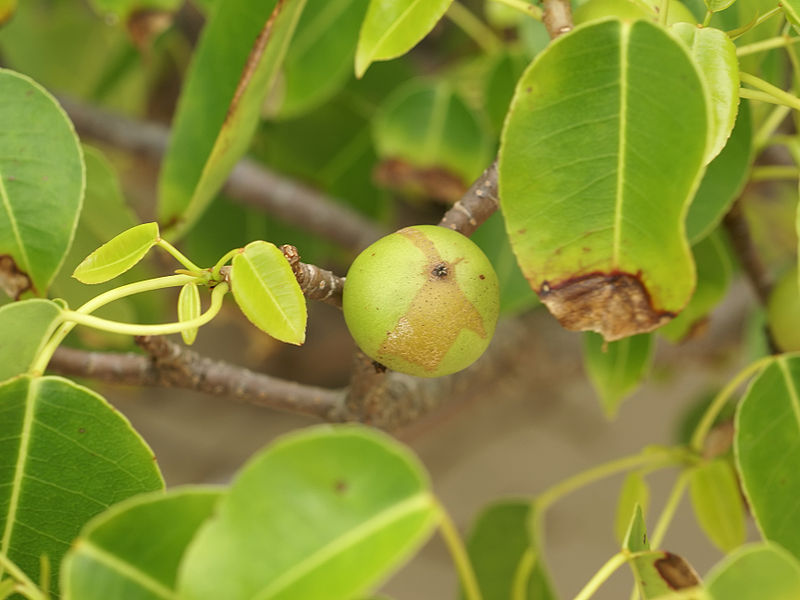
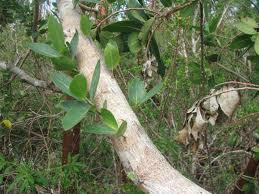
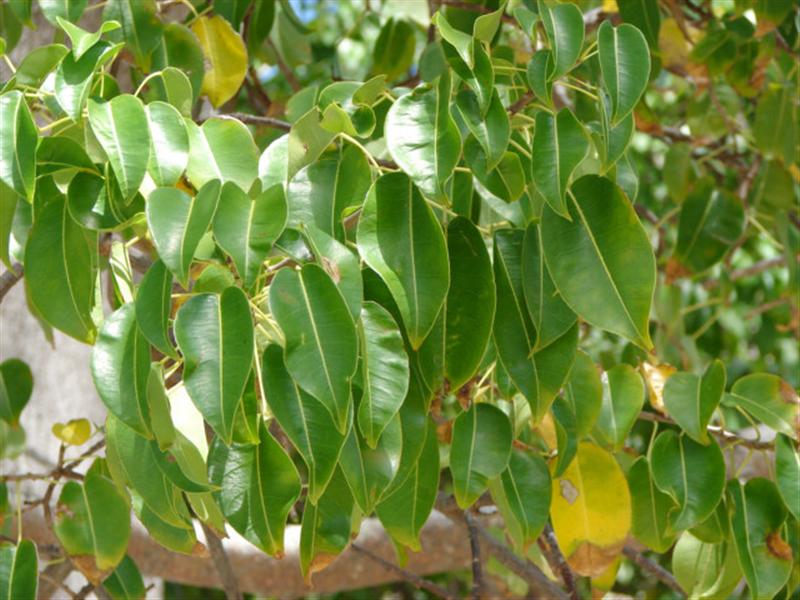
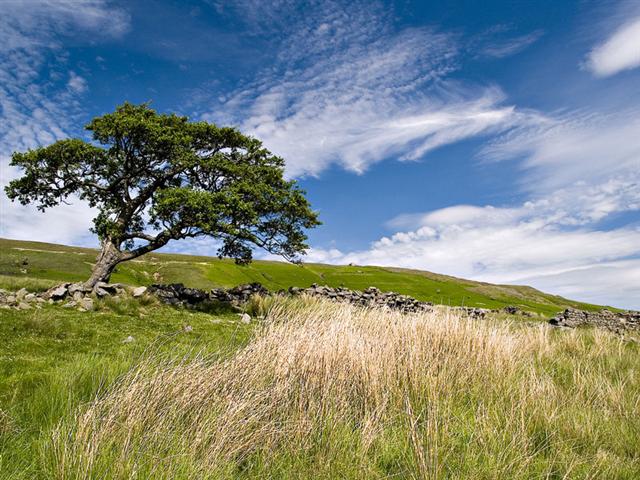
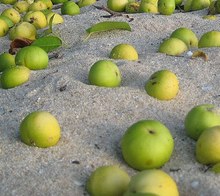
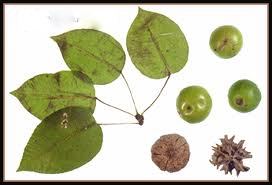
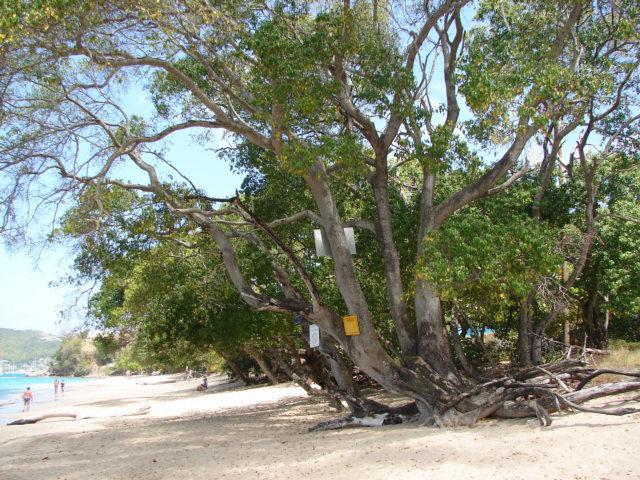
This is a tree that I never heard of before I watched a "B" movie from the 1950�s. After research, I found a reference where aside from the movie, it was also featured in an 1865 opera and at least on e Clive Cussler modern book. This tree is found only in Florida in the U.S., but also in the Caribbean and Central America. Columbus and Captain Cook both noted its presence. It has shiny leaves and lots of 1�� to 2� green, progressing to golden fruit that can be mistaken for something similar. The fruit reportedly tastes sweet and juicy and has a center seed. It grows to 40-50 feet with an extensive root system that helps stabilize shallow and sandy island and beach soils. It is not a protected species, but is rarely cleared because of new development. It usually is found near beaches and slightly inland. View the pictures. Today�s trivia. Tell me the tree and what is unique about it. I can't reply until mid morning.


Re: Monday, Spring, Lookin' for the sun

#2

Re: Monday, Spring, Lookin' for the sun

Ken Oakley-Sunny St. Cloud, Fla.

ooks like a Mango to me

Re: Monday, Spring, Lookin' for the sun

#3

Re: Monday, Spring, Lookin' for the sun

John Veerkamp

Cleans water and can live in both salt and brackish environments.

Re: Monday, Spring, Lookin' for the sun

#4

No


Re: Monday, Spring, Lookin' for the sun

#5

Don't know. Not what I'm looking for.


Re: Monday, Spring, Lookin' for the sun

#7

Re: Monday, Spring, Lookin' for the sun

Gary Camp Bend, Oregon

I sorta remember a movie where one character would let anoother eat fruit, even though the birds were eating it because it was poison, I have a idea, but it was only after searching, so...

Re: Monday, Spring, Lookin' for the sun

#8

Re: Monday, Spring, Lookin' for the sun

Frederick Nelson

On a visit to Montserrat (before the volcano erupted) our guide pointed out a tree like this and called it "Kinnip" (or something pronounced like that). The fruit has a very thin skin over a hard little seet inside that's not much smaller than the whole fruit, leaving a thin layer of pulp between the skin and the fruit. It does have a sweet/sour taste (not quite citrus-y and not quite apple, either). The place where we found this tree was on the South side of the island in an area now covered by multiple pyroclastic flows.

Fred

Scattered clouds and 73 in Eastern Missouri (kind of like it was on Montserrat the day I was there)

Re: Monday, Spring, Lookin' for the sun

#9

I don't think so.  You might have

Gary Smyth

remembered partly incorrectly.

Re: Monday, Spring, Lookin' for the sun

#10

Keep to FL and West Indies though


Re: Monday, Spring, Lookin' for the sun

#11

No


Re: Monday, Spring, Lookin' for the sun

#12

hints

Gary Smyth

This tree has properties something other than fine woodworking, or for food.

I venture that you will want to know about this tree. It's sap is latex like, but not for rubber or similar.

It is an excellent windbreak, and in FL is identifed as endangered but that fact has its drawbacks.

Re: Monday, Spring, Lookin' for the sun

#13

Re: hints

Jim Rutten

Ok. This is either right on and you will understand my hints as to the answer or you will wonder if I am totally sane (don't worry, my wife wonders that all the time).

Gasping choking, I feel the tendrils tightening around my throat. What is really sad is that I may pass away and nobody gives a fig about it.

Re: Monday, Spring, Lookin' for the sun

#14

Gary, keep searching in the same vein


Re: Monday, Spring, Lookin' for the sun

#15

Re: hints

John Veerkamp

false strangler fig?

Re: Monday, Spring, Lookin' for the sun

#16

Jim and John and Gary are

Gary Smyth

bouncing around. Not correct but getting closer.

Correction: I found a reference that indicates that land crabs, bees, and select birds find the tree home. I also found a reference that says that the finished wood is sometimes used in cabinets.

Re: Monday, Spring, Lookin' for the sun

#17

Mangrove---


Re: Monday, Spring, Lookin' for the sun

#18

Something related to Teaberry?


Re: Monday, Spring, Lookin' for the sun

#19

No


Re: Monday, Spring, Lookin' for the sun

#20

Had to check - viewed the leaf, and the fruit

Gary Smyth

fruit, but not closely related.

Re: Monday, Spring, Lookin' for the sun

#21

Re: Monday answer (long)

Gary Smyth

You may not heard of it. I hadn�t.

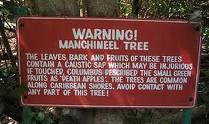
It is the Manchineel Tree. It may clean water, as any seaside plants do, but I wouldn�t want to be near it. The name "manchineel" (sometimes written "manchioneel") as well as the specific epithet mancinella is from Spanish manzanilla ("little apple"), from the superficial resemblance of its fruit and leaves those of an apple tree. A present-day Spanish name is in fact manzanilla de la muerte, "little apple of death".

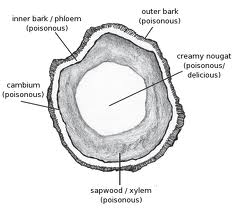
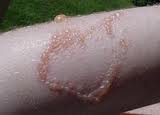
To put it succinctly, there is nothing good about this tree except possibly that it holds down beach erosion. Everything else about it is poisonous; the bark, leaves, fruit, cambium, seeds, sap � even drippings from rain water where the unsuspecting barely dressed beachgoers shelter - all of it. The tree is nasty, nasty, nasty. When a branch is snapped a white sap sometimes sprays out. If it is burned its smoke will cause blisters, and if in the eye, painful blindness, sometimes permanent, occurs. It was said that Columbus� foraging parties were assigned to get fruit and water for the crew. Those that ate the fruit had their throats close and several died. Others who only touched the fruit experienced massive blisters. It is about five times as powerful as poison ivy. Indians poisoned water with it, dipped arrows in it, and Juan Ponce De Leon died from it after a fight in today�s Florida. In another account written by a British medical mate ��was poisoned by eating "a Mangereen apple", causing "severe vomiting and violent convulsions, I poured down a good quantity of sweet oil, applied the warm bath, gave him a calomel purge & the next morning he brought away a considerable quantity of blood and skins of the stomach being corroded by the virulence of the fruit".

Modern Doctors describe autopsy subject's digestive tract as if they drank lye.

As to clues.

David W. Nellis, �Poisonous Plants and Animals of Florida and the Caribbean� states that select birds (unidentified), bees, land crabs, can deal touching portions without apparent negative effects.

The heroine of Giacomo Meyerbeer's 1865 opera L'Africaine commits suicide by lying under a manchineel tree and inhaling the plant's vapours (not exactly accurate). In the 1956 film Wind Across The Everglades, a notorious poacher named Cottonmouth (played by Burl Ives) ties a victim to the trunk of a manchineel tree. The poor soul screams as the sap burns his skin, and the next morning he is shown dead with a painful grimace etched on his face. In Clive Cussler's 1988-published novel Treasure, manchineel is used to poison the crew and passengers of a special plane carrying UN Secretary General Hala Kamil to New York. In Kate Brian's 2010-published novel Suspicion, Manchineel is used both by the protagonist in self defense as well as by the villain in attempted murder.

It is particularly bad for animals that graze or forage -- horses, burros, dogs, some birds seem to suffer as humans. While I was looking some of this stuff up, in one of the comments sections someone wanted to know if anyone online knew anyone who would be willing to package and send him some seeds via the mail. I�d hate to be his enemy. Not a very smart inquiry on a number of levels.

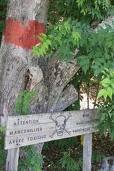
The Manchineel Tree is allowed to be kept on the beach in spite of its dangers mostly because it prevents erosion But now so many have been lost owing to tourist complaints and seashore development they are on endangered lists. In Florida, for example, they are untouched and kept to assist in medicinal research�with only signs and/or painted red X�s or red bands around the tree. (Who gets to clean those brushes?)

Seriously, tied naked to that tree trunk! Who thinks of these things?

Re: Monday, Spring, Lookin' for the sun

#22

I was way off

Gary Camp, Bend, Oregon

The Strychnine Tree, the tree I was thinking of, based on the fruit, is positively benign compared to this bad boy

glc

👍 This page answered my questions

Your vote helps other woodworkers quickly find the answers and techniques that actually work in the shop.