WoodCentral Forums

Est. 1998 — 27 years of woodworking knowledge

Late Thursday Trivia

Posts

Late Thursday Trivia

#1

Late Thursday Trivia

DaleLenz

Sorry folks, I forgot, duh!

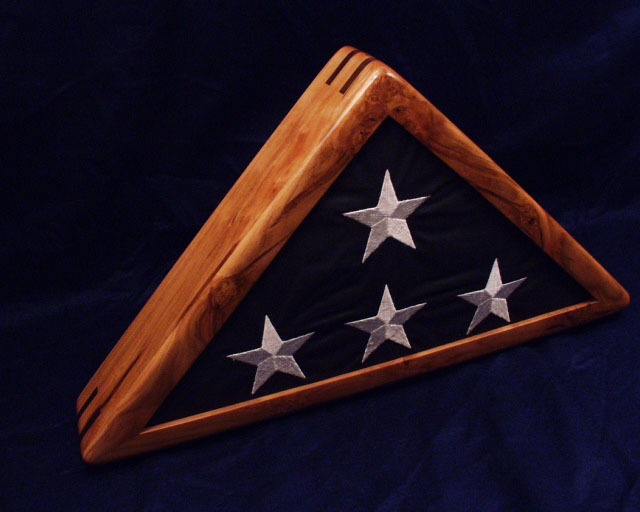
A few times a year folks bring me chunks of wood to ID. Some woods you can soak in warm water and helps you ID wood between two species by the color leaching out. There probably are more than one type of wood you can do this with but I'm looking for the wood I'm thinking of. Will drop hints in need be later in the day.
Re: Late Thursday Trivia

#2

Re: Late Thursday Trivia

John Veerkamp

Oh Oh

Re: Late Thursday Trivia

#3

Me think...

DaleLenz

you might be one to something there, John. Please take it a little further.

Re: Late Thursday Trivia

#4

John is "hedging" around I think.


Re: Late Thursday Trivia

#5

Dale Lenz

Horseapples it is

Dale Lenz

Mulberry and O.O. wood looks very simular, soaking them in warm water helps to ID. Boise d' Arc wood will leach out a dirty orange color. Some of the Native Americans dyed their cloths with the O.O., have often thought that's where the Osage Orange came from(?). Well done Tom and John, have a good evening.

Re: Late Thursday Trivia

#6

Re: Horseapples it is

John Veerkamp

I've used OO to dyei fibers for years. It is a strong light fast permanent dye. It is the dye that in the presence of iron was used to dye army items olive drab. When used with alum as a mordant it produces a very bright yellow.

It is a great under dye used with indigo over to generate good strong greens.

John

Re: Late Thursday Trivia

#7

Dale Lenz

Very interesting, John.

Dale Lenz

Maybe, I'll read up on "natural dyes" sometime.

Re: Late Thursday Trivia

#8

Dale Lenz

So John...

Dale Lenz

since O.O. wood darkens to a walnut hue, will dyed cloth do the same?

Re: Late Thursday Trivia

#9

Re: So John...

John Veerkamp

Dale,

OO as a cloth dye does not change dark. It remains whatever color it was after dyeing depending on the mordant used. I have yellows and olives that are just as vibrant over 10 years after dyeing. Natural dyeing is interesting. AS for trees used I've tried OO , Butternut and walnut hulls in domestic trees, plus several tropical woods like purpleheart and bloodwood.

Re: Late Thursday Trivia

#10

Dale Lenz

mordant?

Dale Lenz

What that mean. Google and it says something about iron and AL and such. You just mix some iron and AL filling in with the brew?

Re: Late Thursday Trivia

#11

Re: mordant?

John Veerkamp

A mordant is a metal salt in solution. A wide variety are used, some are quite toxic and others like alum and iron are very benign. They can be used on the material before dyeing, in the dye bath or after dyeint. The mordants do several functions, they help to "set" the dyes, modify the color and soften the fiber. There is a whole science going back a thousands of years on natural dyeing and using mordants. These were traditionally passed to apprentices in the guild systems. The first real codification was in the early 1900's. A very interesting historical study.(did you know it was treason to reveal the color process for British uniform red?)

Re: Late Thursday Trivia

#12

Dale Lenz

Thanks, John, for the information.


👍 This page answered my questions

Your vote helps other woodworkers quickly find the answers and techniques that actually work in the shop.