Source: https://www.popularwoodworking.com/design-matters/train-your-eye/
Guest can't vote.
Est. 1998 — 27 years of woodworking knowledge

Source: https://www.popularwoodworking.com/design-matters/train-your-eye/
Guest can't vote.
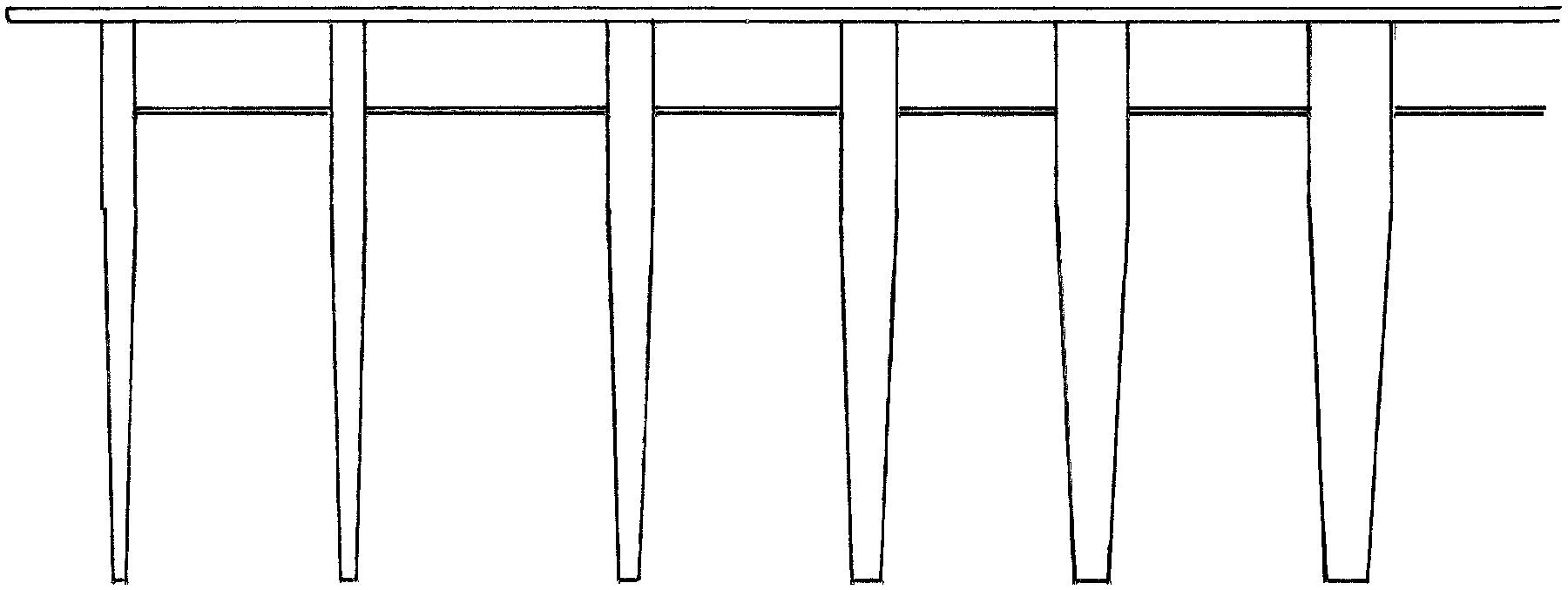
chose No. 3 because it best fits the depth of the apron. It the apron was a little less no. 2 would fit.
No. 3 looks best 4-6 look fat, 1-2 are skinny.
It depends on the length of the apron.
Regards from Perth
Derek
I would go with 2 or 3.
Impossible to answer with the information provided. How large is the overall piece of furniture? Is it a 12-inch square nightstand? Is it a 12-foot long dining room table? What are the surroundings and the style? Overall I tend toward thin tapered legs which refer back to the most delicate of the Shaker pieces so I would probably lean toward 1 or 2.
When full representation is missing, I tend to look for proportions, as that can do the job where the rest is not known. How many widths of a leg match the apron depth? 1:2? 2:3? I will take that measurement from the portion at the apron. But like others mention, mass and design intention impose variability. I think the top helps limit leg scale choices; but each leg might work.
[I thought this was a Walker-Topin lesson! I just peeked.]
Does the golden ratio or rule of thirds apply to any of this?
Just as a quick followup. I took a few minutes to actually measure some of my furniture with straight tapered legs, five pieces in all.
1) 1" -> 3/4"
2) 1 1/8" -> 3/4"
3) 1 1/8" -> 3/4"
4) 2" -> 1 3/8" (my chunky cherry desk)
5) 1 3/4" -> 1 1/4" (a 40" round cherry table)
The latter has double-tapered legs while the others have single taper.
It's a good exercise. I often do something similar in Sketchup. I'm a fan of Walker and tend to start with proportions rather than measurements because of that. Then go on to seeing how it looks in 3D and a mockup.