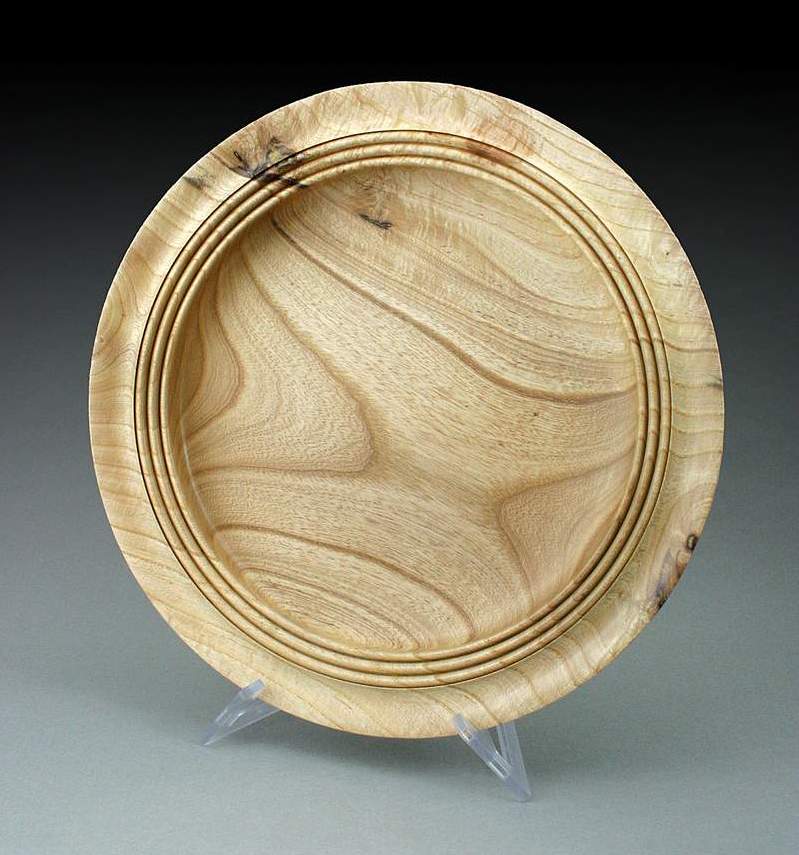
I just finished turning a spalted maple bowl and am ready to begin the finish on it.
I've read some where about using dewaxed shellac as a filler and then following that with something like Watco.
Having never done that type finish I'm wondering if I miss read, sooo I'm asking if anyone has done this finish and knows that it works well?
I also purchased Bullseye shellac at Lowe's but it doesn't say that it is DEWAXED. I remember some years ago getting Zinser that did indicate dewaxed and that came from Lowes also. I'll test it first of course but anyone know if all Bullseye is dewax or what?
The other thing I am considering is finishing with the shellac and then putting polyurethane satin over it instead of Watco. Suggestions?
Any finish can be used as a filler if you use enough coats and sand down between coats. What you want to do is fill the pores but not build up excessive layers on the flat part of the wood.
Boiled Linseed oil may take 50 coats to fill in the pores of Walnut where Birchwood Casey True Oil will take may 8 or 10. The idea is you put a coat on and then sand it down until you only see the gloss or finish in the pores. When you have built up enough coats and sand it you won't see the pores. I often use spray on lacquer and it takes probably 10 or more coats to fill in deep pores like mahagony.
DEwaxed shellac can be used under any finish which is why i guess someone wrote that up. It is still the same procedure. wipe or paint it on, sand it off. Do this until the pores are filled and then use the finish you want.
I've tried several techniques over the years. Creating a sanding slurry using an oil based finish and sanding the wet finish works pretty well but does take a fair number or coats and depending on the oil may take a few days for each coat to dry. I used to use a Poly/linseed oil/ mineral spirits mix as my sanding slurry finish. It dried faster. It's been so long since I've done that I can't tell you the mix I used. I've also tried filling the pores with dye'd drywall mud. Works but is a little challenging. Also have used pumice mixed with a drying oil to fill the pores on darker woods. You can of course buy wood fillers which work in a coat or two.
No matter what you use the idea is to sand it smooth. apply finish or filler to fill the pores and then sand it flush. If it needs more do it again. When everything is flush put on a final coat.
Here is a new video online that shows a way to get a good gloss after you've filled the pores.
Might want to consider a grain filler before trying to fill with finish. I often use heavy body acrylic paint as filler. You can color match or use a contracting color to highlight the grain. Joe
Any oil applied directly to spalted wood that has any punky wood in it can turn it into a muddy looking mess. If you want the color you have now, use an acrylic spray like Krylon.
Bulls-eye Universal Sanding Sealer is the wax free shellac, and says so on the front of the can. If you bought anything else, it's not wax free.
I came into some really punky spalted maple. No matter what I did the inside of the bowl had a lot of tear out. I often use shellac to finish my projects. I buy the dewaxed blonde fakes and mix my own. On my last bowl before I did my final cut, I coat the bowl very liberally with a 1 lbs cut. This shoaked in and hardened the surface. When I then did my cut with almost no tear out.
Here is my favorite product. The more punky, the better / deeper it soaks in.
It is designed to have a long open time, so you can keep adding it as long as it keeps soaking in. The next day or two, one coat of wipe on poly may be all the finish needed.
It is expensive, but none of those other top coats are going to add any strength. This stuff will make that spongy wood hard as formica.
Keith, what effect does this product have on the color of the wood? Does it leave the color unchanged like a clear water-based finish? Enrich the color like a lacquer? Turn it amber like an oil?
Yea check the bottom of that link for times. It my also depend a bit on how much you soak into something. There is a lot of solvent that needs to evaporate out before fully cured.
On a side note, another benefit that I've noticed was when I used it on the Eastern Redcedar Island top down at my cabin. Since that is such a soft wood in a heavy use location, I used it mainly to harden the surface, which it did, but as a side benefit, that top has retained all the deep reds, purple, and golden colors after ~4 year, while the legs and drawers of the rest has turned tobacco brown.
I talked to Mr Smith about this when I placed my last order. I was wanting to go ahead and get a 2 gallon kit, and needed it fast. He gave me a dealer in New Orleans that filled my needs, and encouraged me to do a few experiments and publish it in FWW. I told him I was through with them and have no interest in doing that.
Slightly off topic. Keith, have you tried the Smith's Oak and Teak epoxy? I have found it to be an excellent solution to very thin glue-ups of exotic/oily woods. I made a rare book photo stand from Amoyna Burl for a book dealer a while back and had to book-match the top at 1/4" thick along a 14" seam with no support. That seam, with books going on and off all day, takes a lot of abuse. The Smith's product has held up very well.
Defender carries this as well, see the link.
I also use the filler you mention and have found it as you describe.
I think there may be a slight amber color, but the big change, is about the same as if you wet to saturation with water. Dry will usually be whiter than wet.
For me, besides the obvious toughening of otherwise inferior wood, it really saves a lot of time in that following one coat / soaking of this, may only takes one coat of wipe on poly to look like about 8 coats of most other strictly topical finishes, which lay on top without doing much to toughen the soft stuff underneath. The time saved is more than worth the high cost of the material.