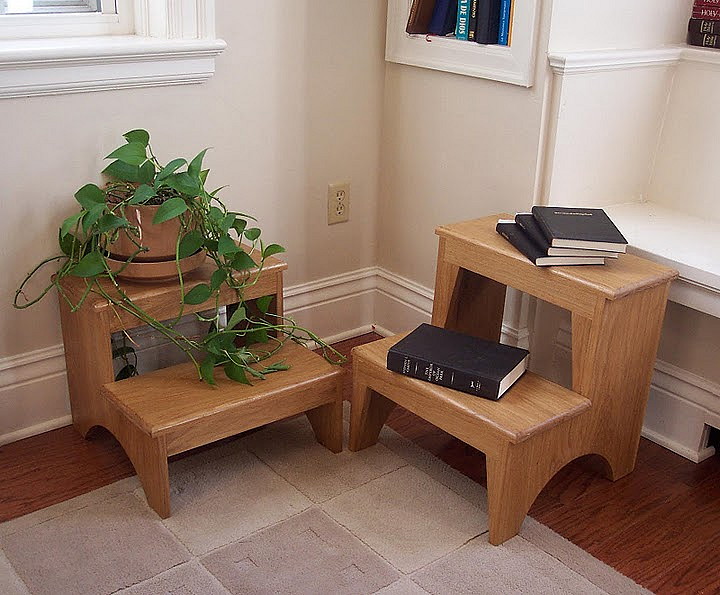
Not much different than finishing red oak. I rarely if ever stain wood these days. Ash can have such a beautiful shimmer to it, a shame to stain in my opinion.
I find ash the most difficult wood to stain with the oil pigment stains I normally use. Ash just doesn't take up stain. While I stain most everything I don't stain ash, for this reason. I suspect a dye stain would work well.
As we always say, don't do chemistry experiments on the finished project. Practice on a test piece, what ever you do.
TV cab in solid ash stained with Minwax medium walnut
finished in hand-applied oil poly.
compare
Ash trestle table stained with TransTint medium brown dye mixed thin and applied in several coats to "build" the color, then tinted with a mist coat of dewaxed shellac with a touch of TransTint Red Mahogony dye. Topped with General Enduro Clear Poly.
The dye is easier to control as a general color and is more forgiving than the pigmented oil which collects in the grain as well as any cross-grain scratch you may have missed.
Oil stains (pigment or dye) are essentially self-sealing finishes. When dry/cured they can be top-coated with most anything.
NGR [non grain raising] dye stains in alcohol or water should be sealed before applying a top coat, especially waterbased coatings and very especially if hand-applied. Reason being the NGR stain dye particles can be "pulled" from an unsealed surface , making the top coat look muddy. Sealing them into the surface with a spit coat of shellac, lacquer, even artist's Fix-a-tif, will improve results significantly.
...ash bleaches really well with two-part wood bleach. It goes to white-white, and if you seal it under a coat of water-white lacquer, it'll stay that way for a long long time.
For your purposes, I agree with the others regarding dye stains on ash and other open pore woods. Pigments just accentuate the grain contrast too much for my taste. OTOH, I've followed up a coat of dye stain with a thin coat of shellac, sanded lightly and wiped a bit of oil-based pigment stain on to add depth and complexity. The dye stains tend to look really uniform, maybe too much so, and they lack that glaing complexity that adds richness to the overall look. You just don't want to bring out the huge springwood rings of ash too much.