
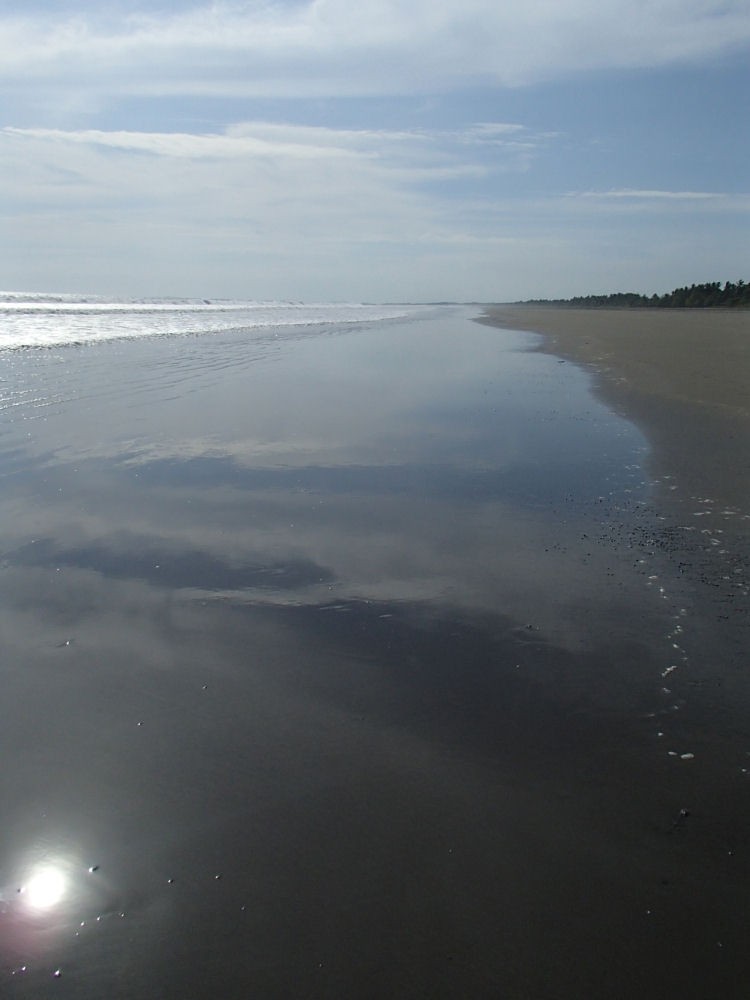
I know this title makes you think of Bora Bora and Kauai and other exotic places. In fact, the Panamanian Pacific coast is less exotic, and a lot less desirable. In contrast with the beaches on the Pearl Islands, the mainland beaches are huge, long, very flat, and gray to black in color in color because of the high percentage of volcanic sand on the isthmus.
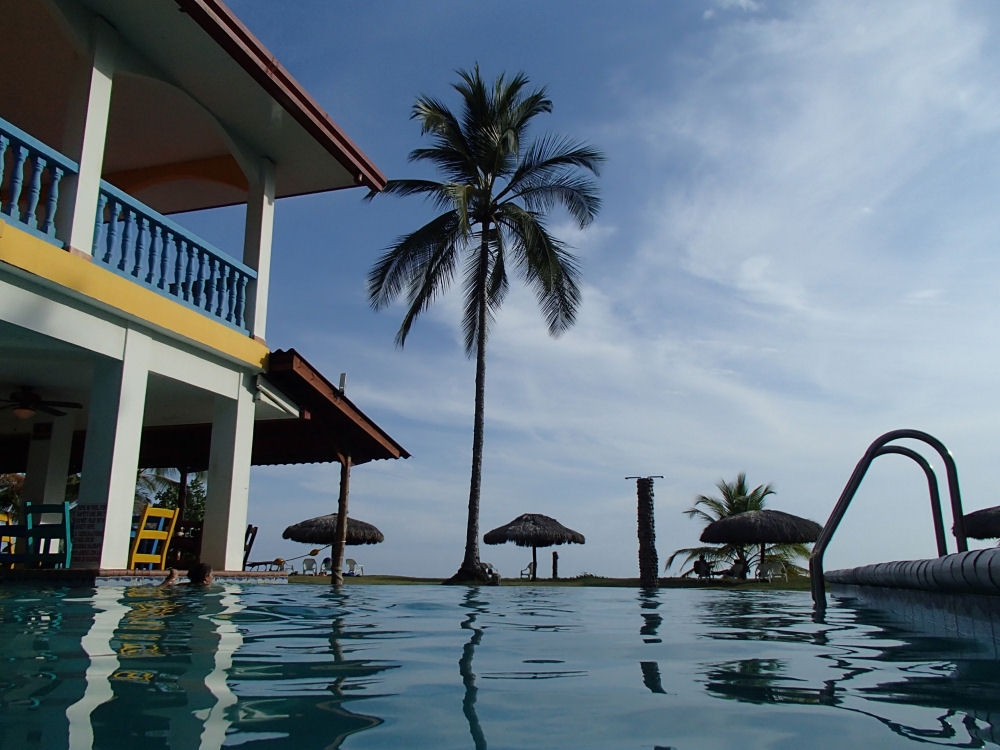
Our trip from Bocas took us directly to the well-known beach called Playa Las Lajas, about an hour south and east of David. We booked a night at the Las Lajas Beach Resort, a studiously trendy little motel run by a couple of American expats. The accommodations and food were fine — far better than the other tired little Panamanian guest houses in the area.


Off to Santa Fe
After a dip in the ocean, a nice meal and a good night’s sleep, we checked out of the Beach Resort and pointed the car eastward, up the Panamerican Highway, toward two mountain destinations, Santa Fe and El Valle, where we hoped to find likely surroundings for our part-time retirement. Santa Fe had just crossed our radar in recent days as we heard it mentioned as a relatively undiscovered mountain haven, so, since it was less than an hour from the highway, we looked up a little B&B in that area and headed up the road.
The road to Santa Fe from the main highway passes through a thoroughly inhospitable chapparal region, with nothing bud dried grass and trash as far as the eyes can see, with smoke rising everywhere from local brush fires that were either set by the farmers or ignited by accident. Not exactly welcoming. The dry season — they call it summer — which stretches from December through April or so, is notorious for lack of rain, and this year was one of the worst on record, with many municipalities, including cities, finding themselves without municipal water for several hours a day. This is a major concern for folks like us who are contemplating owning property here, and unless they figure something out, it could really affect real estate values. We need to study the long-term prognosis a lot more closely.
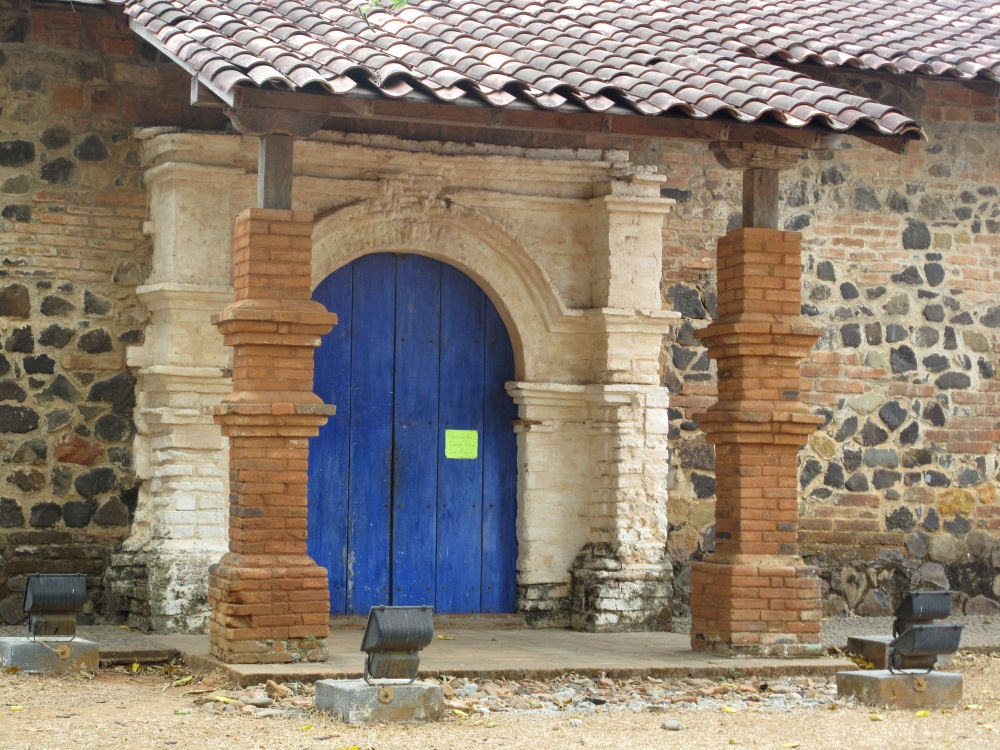
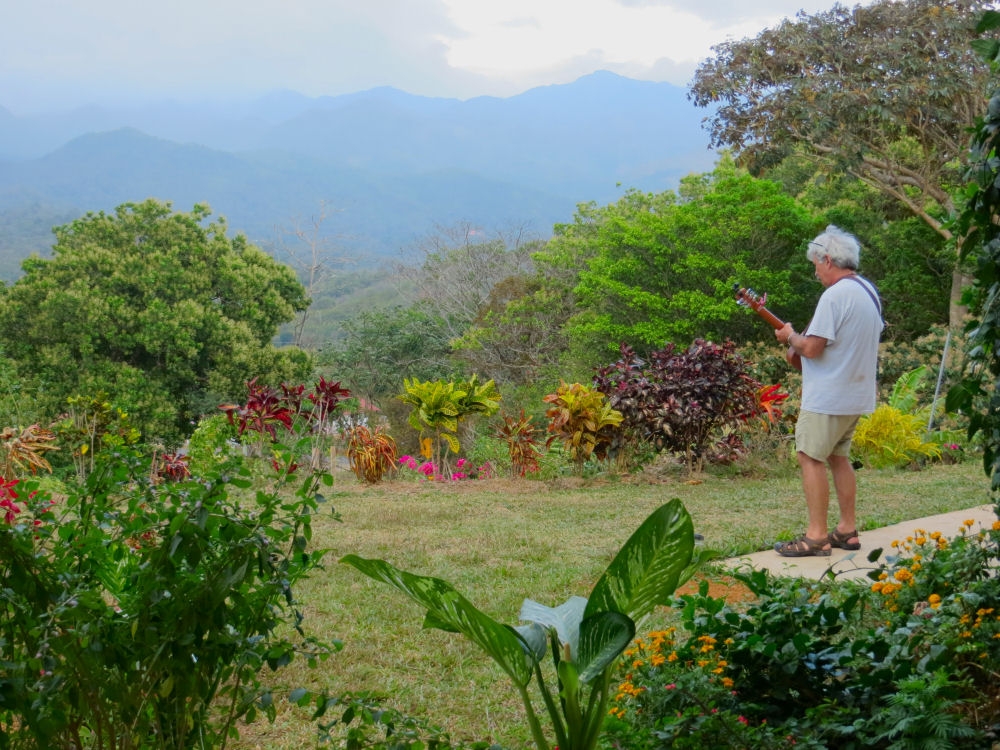

We spent part of the next day with a realtor, scoping out the real estate options in the Santa Fe area. Though this area is relatively “undiscovered” compared to Boquete or El Valle, it is well known to the wealthy investors of Panama and beyond. What nobody is saying is that the entire Caribbean coast of Panama is now being carved up for development, and the road through Santa Fe will be one of only a few ways to get there from the Pacific side. So, the large tracts of land have been snapped up and many have now been subdivided into smaller parcels for sale to the second wave of small-time investors like us. There are still bargains to be had, but no killings, and the subdivisions are generally pretty unappealing. It would be hard to imagine living or building there, but as a speculative investment, it could still be profitable.
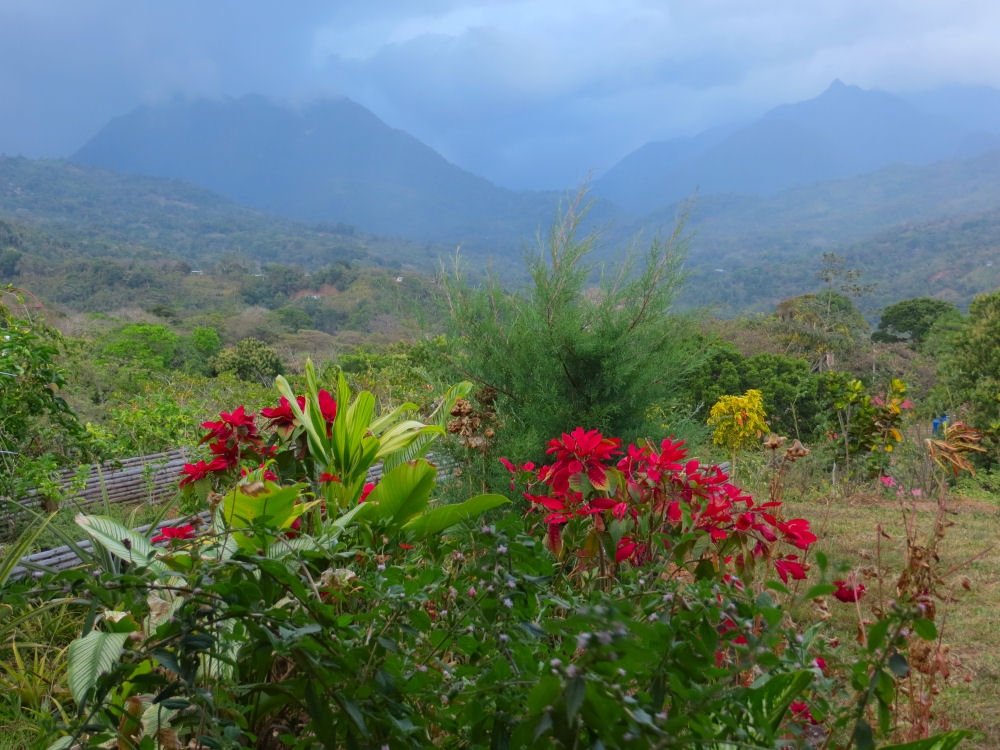
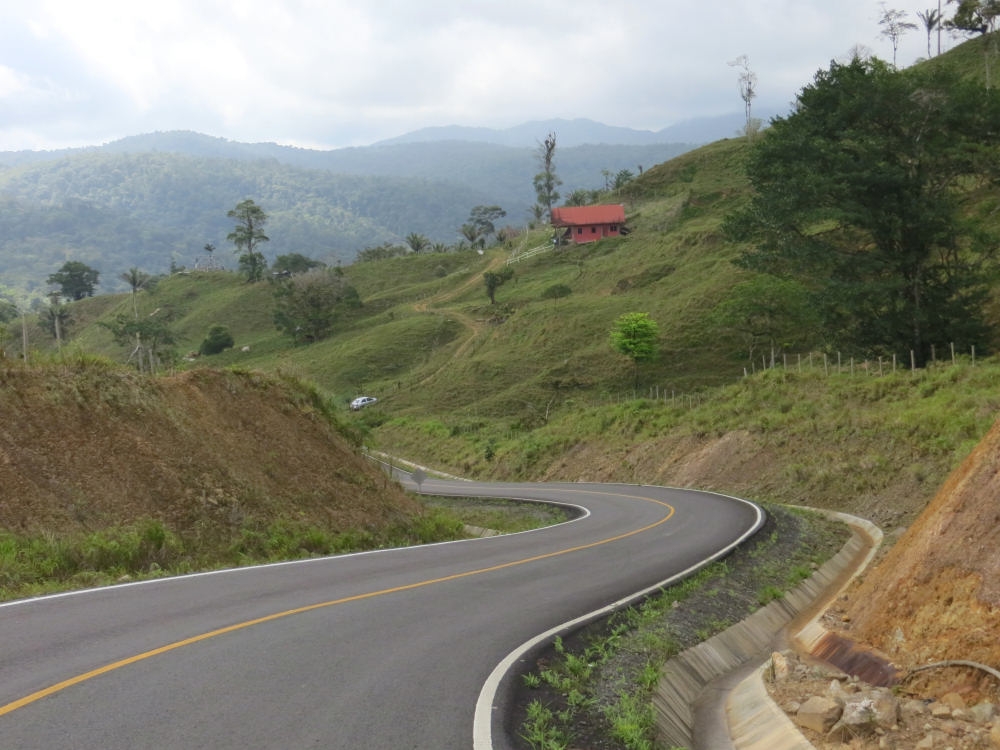
Santa Fe, high on the cordillera, used to be the end of the paved road from the Pacific side, but, in anticipation of the imminent explosion of development on the Caribbean side, the Panamanian government has already built the first twenty or so miles of new road, and what a road it is, perfect two-lane asphalt, with poured concrete drainage ditches either side, amazingly steep slopes and switchbacks everywhere, and views around every curve to die for. Bad metaphor, maybe, considering how deadly it would be to get distracted by the views and plunge into a jungle canyon.

Next stop… El Valle.


