Woodworking is a rewarding hobby that allows you to create beautiful and functional pieces from raw materials. Whether you want to build furniture, craft decorative items, or simply enjoy the process of working with wood, having the right tools is essential. In this guide, we will explore the essential woodworking tools every beginner needs to get started on their woodworking journey.
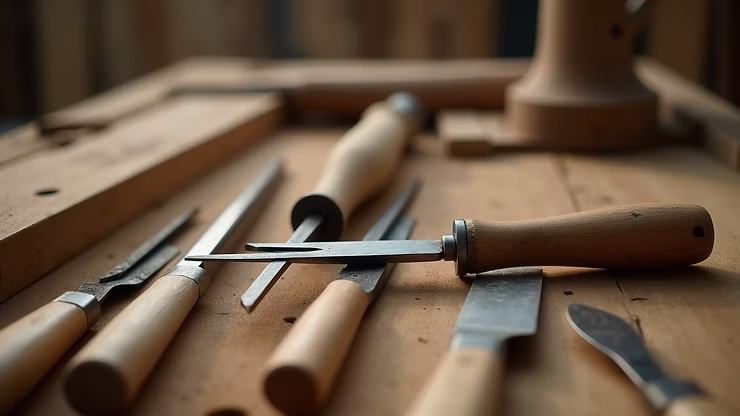
Understanding the Basics of Woodworking Tools
Before diving into the specific tools, it’s important to understand the categories of woodworking tools. They can generally be divided into three main types:
- Hand Tools: These are tools that are operated manually without the need for electricity. They are essential for precision work and are often favored by beginners for their simplicity and ease of use.
- Power Tools: These tools are powered by electricity or batteries and can make tasks faster and easier. While they can be more expensive, they are invaluable for larger projects.
- Measuring and Marking Tools: Accurate measurements are crucial in woodworking. These tools help ensure that your cuts and joints are precise.
Essential Hand Tools
1. Tape Measure
A good tape measure is fundamental for any woodworking project. Look for one that is at least 25 feet long, with clear markings in both inches and centimeters. This tool will help you take accurate measurements of your wood pieces.
2. Square
A carpenter’s square is essential for ensuring that your cuts are straight and your joints are square. It helps you check the accuracy of your measurements and is crucial for making precise cuts.
3. Handsaw
A handsaw is a versatile tool that every beginner should have. It can be used for cutting wood to length and making various types of cuts. Choose a saw with a comfortable grip and a blade that is appropriate for the type of wood you will be working with.
4. Chisels
Chisels are used for carving and shaping wood. A basic set of chisels will typically include a variety of sizes. Look for chisels with comfortable handles and high-quality steel blades for durability.
5. Clamps
Clamps are essential for holding pieces of wood together while you work on them. They come in various sizes and styles, including C-clamps, bar clamps, and pipe clamps. Having a few different types will help you tackle various projects.
Essential Power Tools
1. Cordless Drill
A cordless drill is one of the most versatile power tools you can own. It can be used for drilling holes, driving screws, and even mixing paint. Look for a drill with multiple speed settings and a variety of drill bits.
2. Jigsaw
A jigsaw is perfect for making curved cuts and intricate designs in wood. It is easy to use and can handle a variety of materials. Choose a model with adjustable speed settings for better control.
3. Circular Saw
A circular saw is a powerful tool that can make straight cuts quickly and efficiently. It is ideal for cutting large sheets of plywood or lumber. Make sure to invest in a quality blade for the best results.
4. Sander
A sander is essential for smoothing surfaces and preparing wood for finishing. There are several types of sanders, including orbital sanders and belt sanders. Choose one that fits your needs and is easy to handle.
5. Router
A router is used to hollow out an area in the face of a piece of wood. It can create decorative edges and grooves, making it a valuable tool for more advanced woodworking projects. Look for a router with variable speed settings for versatility.
Measuring and Marking Tools
1. Marking Gauge
A marking gauge is used to mark lines parallel to the edge of a piece of wood. It is essential for ensuring accurate cuts and joints. Look for one that is easy to adjust and has a sharp marking point.
2. Level
A level is crucial for ensuring that your projects are straight and even. A small, torpedo level is great for smaller projects, while a longer level is useful for larger pieces.
3. Calipers
Calipers are used for measuring the thickness of wood and ensuring precision in your cuts. They can be particularly helpful when working on intricate projects.
Safety Gear
Safety should always be a priority when working with tools. Here are some essential safety items every beginner should have:
- Safety Glasses: Protect your eyes from dust and debris.
- Ear Protection: Use earplugs or earmuffs when operating loud power tools.
- Dust Mask: A dust mask will help protect your lungs from fine wood particles.
- Work Gloves: Gloves can protect your hands from splinters and cuts.
Organizing Your Workspace
Having a well-organized workspace can significantly improve your woodworking experience. Here are some tips for keeping your tools and materials organized:
- Tool Storage: Invest in a tool chest or pegboard to keep your tools easily accessible.
- Work Surface: Use a sturdy workbench that provides enough space for your projects.
- Material Storage: Keep your wood and materials organized by size and type to make it easier to find what you need.
Getting Started with Woodworking Projects
Now that you have your essential tools, it’s time to start your first woodworking project. Here are a few beginner-friendly ideas:
- Birdhouse: A simple birdhouse is a great way to practice basic cuts and assembly techniques.
- Bookshelf: Building a small bookshelf will help you learn about measuring, cutting, and joining wood.
- Picture Frame: A picture frame is a fun project that allows you to experiment with different styles and finishes.
Conclusion
Starting your woodworking journey can be exciting and fulfilling. With the right tools and a bit of practice, you can create beautiful pieces that will last for years. Remember to prioritize safety and organization in your workspace, and don’t hesitate to start with simple projects to build your skills. Happy woodworking!
By investing in these essential woodworking tools and following the tips outlined in this guide, you will be well on your way to becoming a skilled woodworker. Embrace the process, learn from your mistakes, and enjoy the satisfaction of creating something with your own hands.