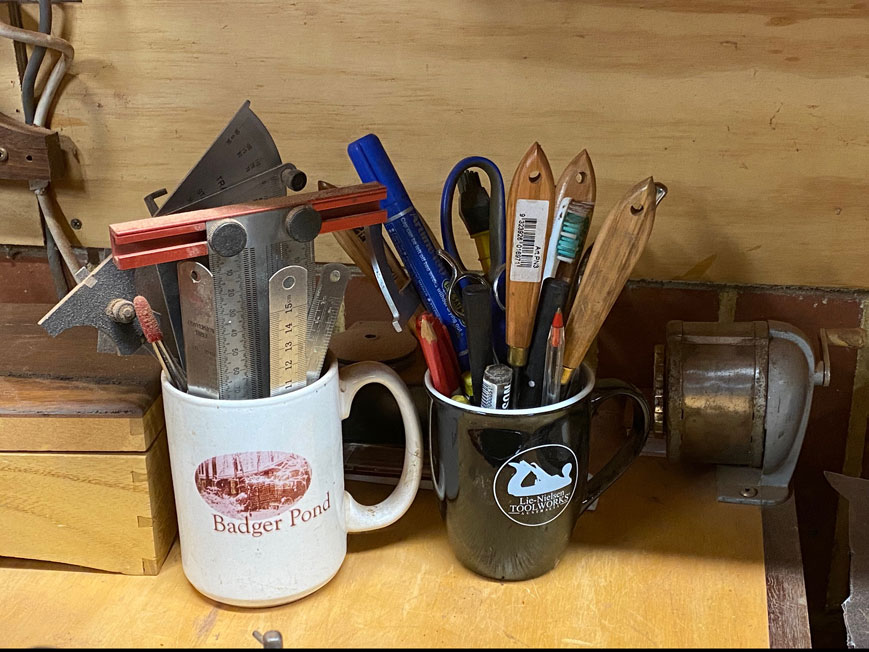
In the late 1990s, as the internet began transforming how people connected, Badger Pond emerged as a trailblazing hub for woodworking enthusiasts. Founded by Wayne Miller, it was among the earliest interactive woodworking forums on the World Wide Web, creating a vibrant space for craftsmen to share techniques, showcase projects, and debate the merits of hand tools versus power tools. Its influence on the woodworking community was profound, laying the groundwork for the online forums that followed.
Badger Pond originated as an offshoot of a CompuServe woodworking group, but Miller envisioned a dedicated platform to foster deeper engagement. Launched in the mid-1990s, the forum became known for its strict moderation, with Miller personally ensuring discussions remained civil and constructive. This approach cultivated a unique, respectful community, though some found his oversight intense. A standout feature was the “Neanderthal Haven,” a beloved sub-forum where hand-tool enthusiasts proudly embraced the “Neanderthal” label, celebrating traditional woodworking methods.
More than a discussion board, Badger Pond was a treasure trove of knowledge. It hosted articles, FAQs, and downloadable resources on topics like finishing techniques, tool sharpening, and project plans. After the site closed around 2003, its legacy was preserved when WoodCentral, with Miller’s permission, archived many of these resources. These PDFs remain a valuable reference for woodworkers, capturing the expertise and passion of the Pond’s contributors.
The reasons for Badger Pond’s closure are unclear, but many speculate that Miller, who managed the site single-handedly, grew weary of the workload. Some former users have even suggested it was an early social media experiment, possibly tied to academic research, though no evidence confirms this. When the Pond shut down, its community—affectionately called “Ponders”—migrated to forums like Sawmill Creek and WoodCentral, carrying forward its spirit of collaboration.
Badger Pond’s legacy lives on through its archives and the communities it inspired. It set a high standard for civil discourse and knowledge-sharing, shaping the culture of modern woodworking forums. For those who were part of it, Badger Pond was more than a website—it was a digital workshop where skills were sharpened, friendships were formed, and the craft of woodworking flourished.
Visit our Badger Pond Archive to explore the preserved articles and relive the wisdom of this pioneering community.
Photo by Derek Cohen
Excellent comments on this article in our forums from some of those who were its original members:
https://www.woodcentral.com/forkbb/topic/76003556/Please%20edit%20blog%20post%20about%20Badger%20Pond